
The custom plush toy process is a sequence of approvals, and most problems buyers meet in bulk were created at a stage nobody signed off properly. A toy that arrives with the wrong pile direction, a seam across the face or a colour that has drifted from the reference is rarely a production accident: it is an unrecorded decision from two months earlier. This guide sets out the process in order, with the point where each stage should be pinned down in writing.
Start With a Written Brief, Not a Picture
A sketch tells a factory what the toy should look like. A brief tells it what the toy has to be. The difference shows up in bulk. The brief should carry finished dimensions with a tolerance, the fabric for each panel, colour references that can be matched physically rather than described in words, the age grade the toy is designed for, the decoration method, the packaging, the destination market and the quantity per style.
Two details are consistently missing and expensive: which parts are printed and which are sewn, and where the toy will be sold. Both change the construction, the testing and the paperwork. If your brief is still a mood board, the checklist for choosing a custom plush toy manufacturer turns it into the questions a factory can actually answer.
Review Artwork and Construction Before Sampling
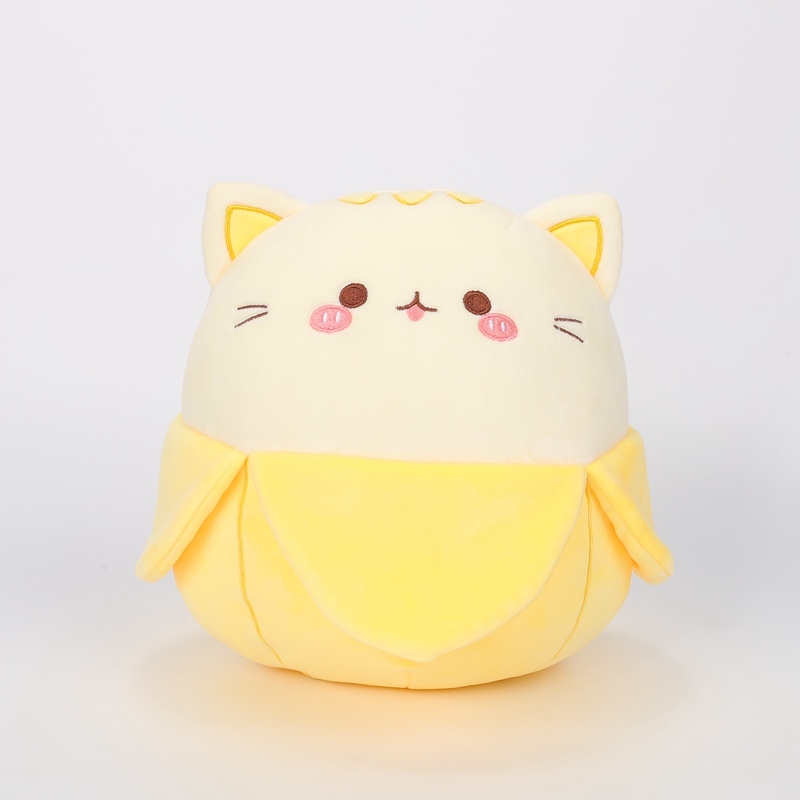
Artwork and construction should be agreed together, because the decoration method decides how the pattern is cut. Embroidery holds detail but adds stitches and stiffness on small faces; sublimation prints across a panel and needs artwork built for a seam it will cross; airbrush gives soft gradients that no print can reproduce, at the cost of piece-to-piece variation. Each has its own setup cost and minimum, so the method belongs in the brief, not in a conversation after the first sample.
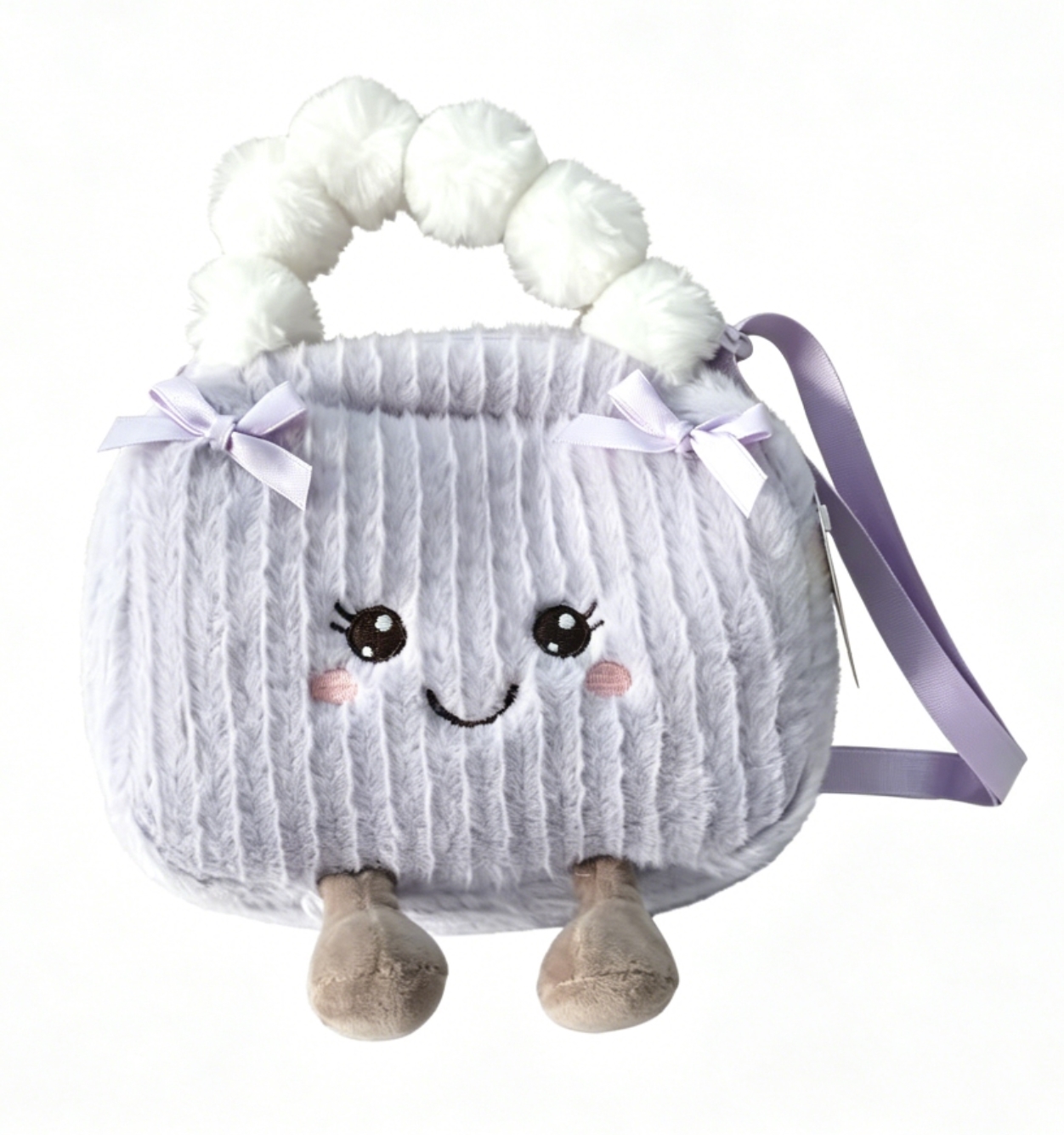
Construction decisions are just as consequential: whether eyes are embroidered or fixed as components, how joints are made on a dressed animal, how dense the filling is, and which way the pile runs across each panel. A plush bag or a dressed character carries hardware and multiple panels, and each added panel is a place where the pattern must still match after sewing. Our guide to plush fabrics and fillings covers how these choices behave in the finished toy.
Sampling: Where the Order Is Really Decided
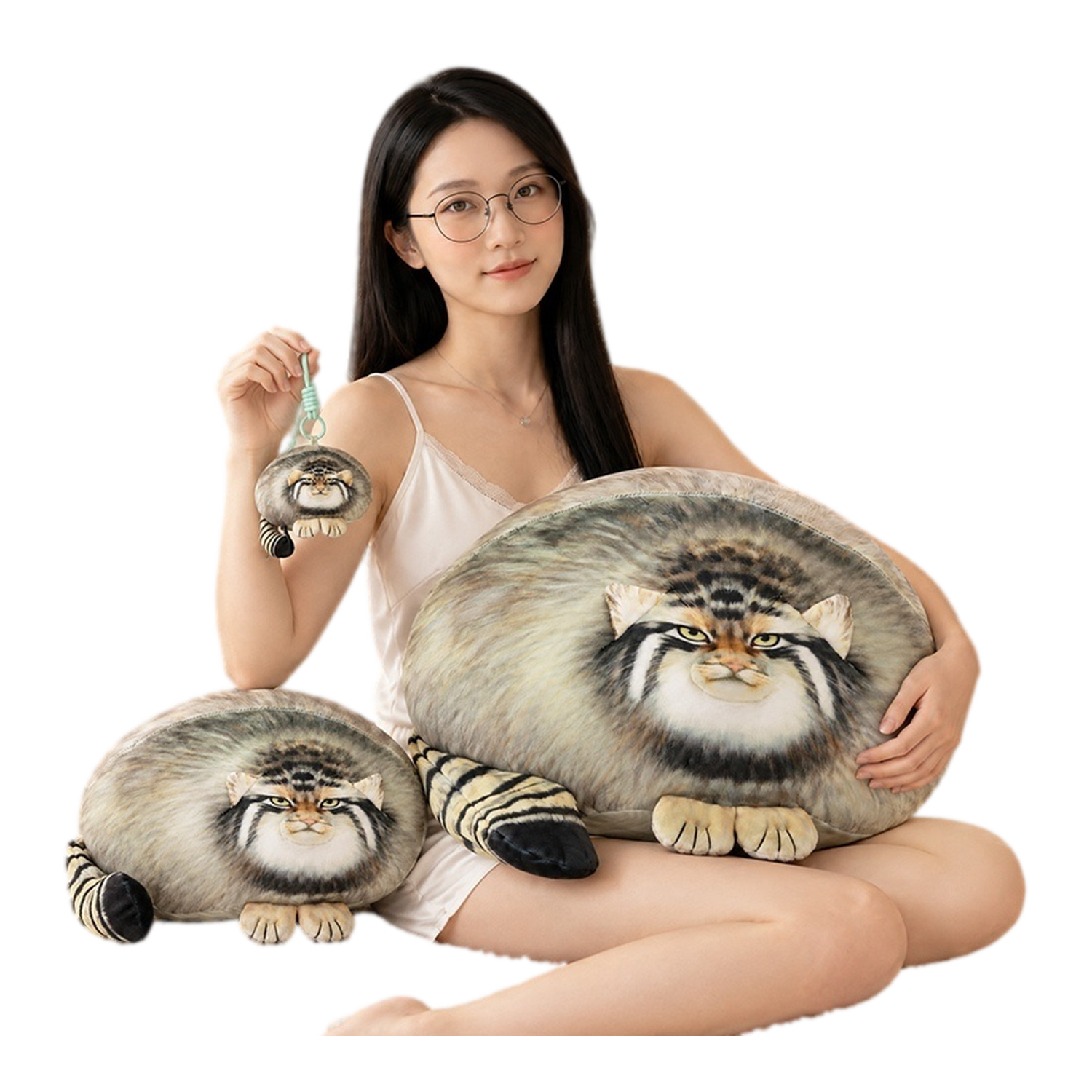
Sampling is the stage that converts a brief into something both sides can point at. Our standard run of 20 samples takes about 15 days, including PVC mould making where a mould is needed for a shaped or moulded element. It is worth knowing what a sample can and cannot prove. It proves the pattern, the proportions, the decoration and the finish; it does not prove that the five hundredth piece will match the first, because that is production control rather than sample room work.
Expect more than one round on an original design. A first prototype exposes problems: a head too heavy for the neck, a print that breaks at the seam, a fabric that pills after handling. Revisions cost days and save cartons, and a buyer who treats the first sample as a formality usually pays for it at inspection. Budget those rounds into the calendar.
Approving a Sample Properly
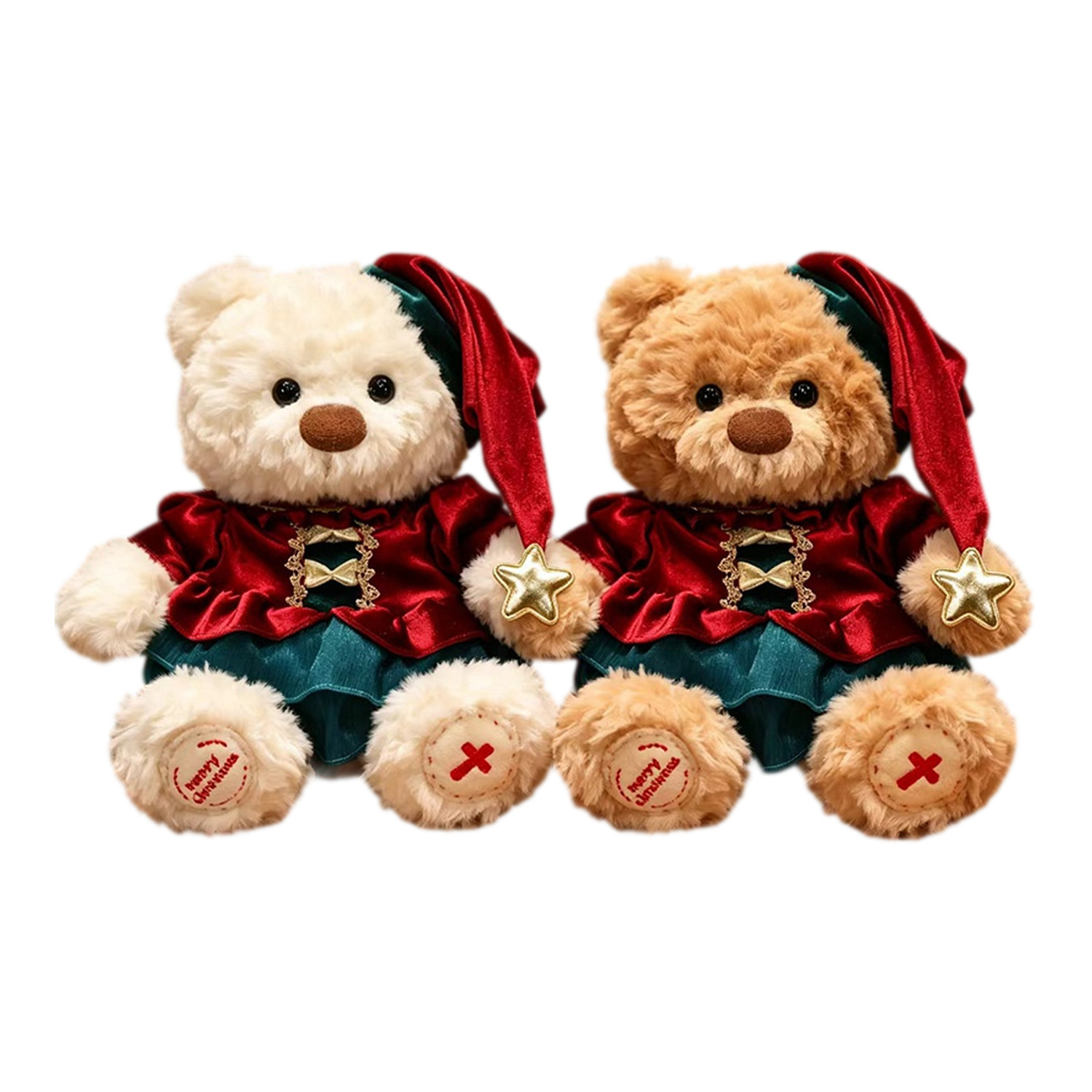
Approval means a sealed sample: a physical piece, dated and signed by both sides, kept as the reference that bulk is measured against. Sign it against a written checklist rather than an impression. Dimensions with tolerance, pile direction, seam placement, the exact position of eyes and nose, decoration alignment across the seam, how labels and hangtags are attached, and the packing method all belong on that sheet.
Colour deserves its own reference, because "red" is not a specification and a photograph is not a match. Keep a physical swatch or a Pantone reference with the sealed sample and state which light the approval was made under. Approve in writing, and keep the emails with the sealed sample: verbal approval is the most common cause of a dispute neither side can settle.
Bulk Production: Sample Fidelity at 500 Pieces
Our standard minimum order is 500 pieces per style, where a design stops being a sample and becomes a production run. Three things change at that scale. Fabric arrives in dye lots, and a second lot can shift a shade without being wrong. Pattern pieces are nested to save material, which can rotate the pile direction. And a line of operators introduces normal variation that the sample room never had to control.
The controls are unglamorous and effective: reserve the fabric lot against the order, keep the sealed sample at the line, and ask for production photos at agreed milestones instead of only at the end. Confirm the production schedule in writing after sample approval, with your own buffer for your season, because a verbally agreed date has no slack when something slips.
Inspection Before the Cartons Close
Inspection should be agreed before production starts, not requested when the goods are packed. Fix the inspection points, the sample size and the acceptance criteria in writing, and decide who attends. A final inspection looks at fill weight consistency, seam strength, the security of any attached component, decoration alignment and the accuracy of labels against the approved artwork.
Product test reports are a separate document from factory certificates, and the report has to match the toy actually being shipped, not a similar construction. Mismatches between certificate scope and shipment contents are a routine finding in retail audits and cheap to prevent at the document stage. Our guide to plush toy safety standards explains how EN71 and ASTM F963 fit into that conversation.
Documents and Certificates That Support the Process
The paperwork is part of the product. We hold GRS 4.0 through SGS (certificate SGC-GRC11898-GRS-2026-10, TE-ID TE-00354571) covering toy production, FSC chain of custody (ESTS-COC-261436) covering paper packaging, cartons, hangtags and labels, ISO 9001 certification (registration 12802508091S, scope plush toy processing, valid to 2028-06-08), and a current amfori BSCI audit (ID 156-005327-000, follow-up audit by SGS in February 2026, valid to 2027-03-24). A LEGO quality audit conducted by Bureau Veritas (reference 10260091372) recorded 84.12% compliance with no critical findings.
Ask for the certificates relevant to your market and order, and check dates rather than assuming a certificate on file is current. What leaves with the cartons is then a packing list, an invoice and a transport document that agree with each other; our packaging guide covers the retail-facing side and the bulk shipping guide covers freight and terms.
Final Word
Write the brief, settle the decoration method before the pattern is cut, seal the sample with a checklist and a colour reference, hold the fabric lot, and agree inspection before production. Do those five things and the process becomes predictable; skip one and the difference surfaces at the worst moment. To see how the process ends up on a shelf, browse our Christmas plush collection, the Valentine's Day plush gifts and our everyday festival plush toys. The assortment guide explains how product type changes the brief, and the full article library or how we work is where to continue.
Related reading
- Wholesale Plush Toys MOQ Explained: A Buyer's Guide to Per-Style Minimums
- EN71 vs ASTM F963: A Compliance Comparison for Plush Toy Buyers
- Bulk Plush Toy Shipping: A Buyer's Guide to Freight, Cartons and Landed Cost
- Plush Toy Packaging: A Buyer's Guide to Retail-Ready Bags, Hangtags and Cartons
Keep exploring: Christmas plush collection, Easter plush toys, or browse the full article library.