

Most plush programs are planned by counting SKUs: twelve designs, spread evenly, every one a little thin. A wholesale plush toy assortment works the other way round — a small number of product types, each with a job on the fixture, with depth spent only where a type has proved it moves. This guide covers the five types that appear in most plush programs, and what to do when a shortlisted design disappears.
Why a Wholesale Plush Toy Assortment Is Built by Type, Not by Count
Buyers new to the category ask how many designs they need; the sharper question is which types, because each one does a different job in a shop and appeals to a different retailer. Twelve designs split evenly across themes gives a display that is thin everywhere. Type-led planning also survives the calendar: seasonal plush expires, functional plush sells through other channels, and home plush lives on a sofa rather than a shelf. Separate the types and budget allocation becomes a decision you can defend.
Type One: Classic Characters and Dressed Animals
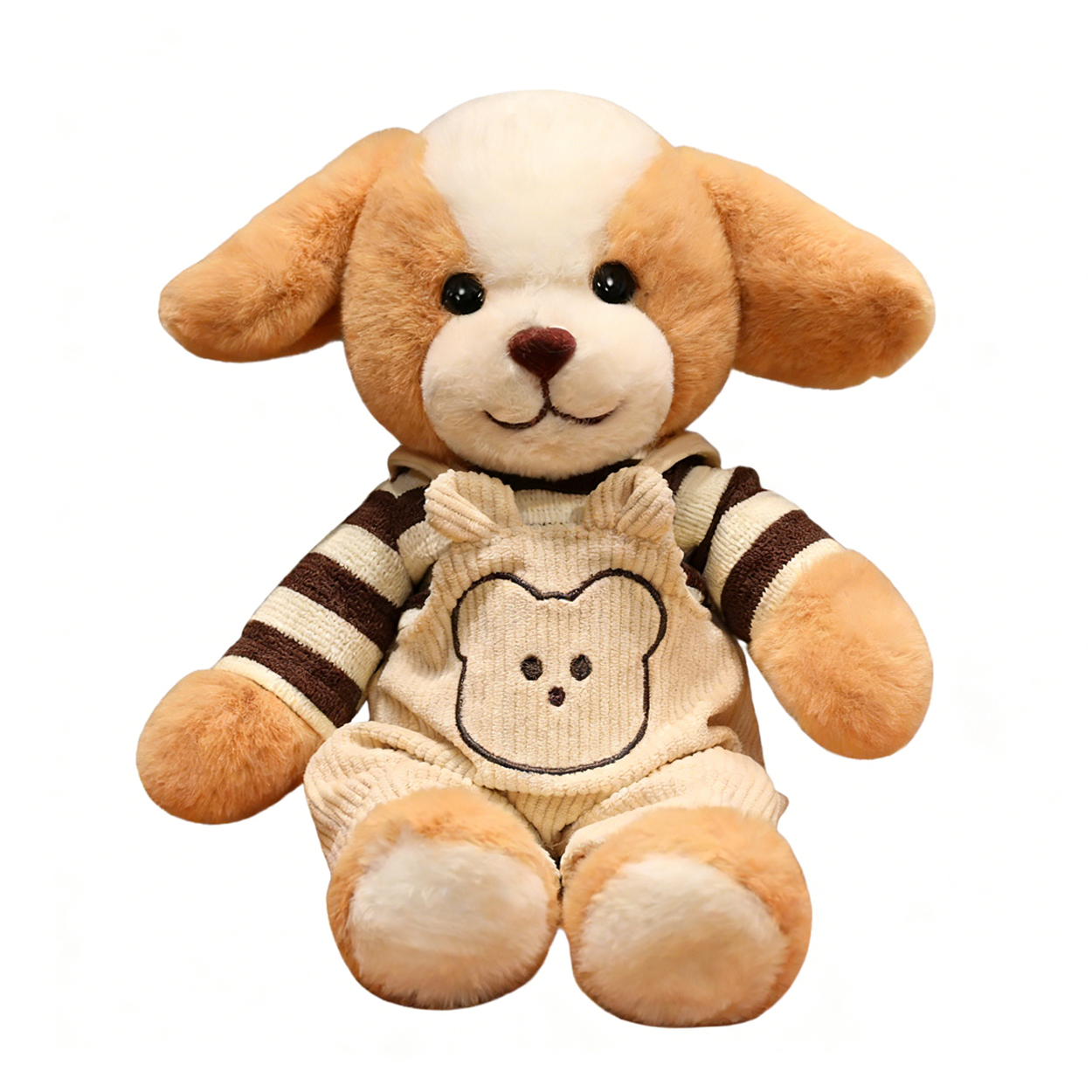
The backbone of nearly every program: bears, puppies and bunnies in the 25 to 35 cm band, sometimes with seasonal outfits. Widest age range, least seasonality, and the safest place for volume in a new market.
Dressing a character is the cheapest way to add perceived value. A knitted overall or a removable hood lifts the retail price by more than the added trim cost, and lets a retailer show one body in several outfits. The trade-off is consistency: every garment is another piece that can shrink, twist or fade, so specify the garment fabric separately from the body.
Type Two: Functional and Wearable Plush
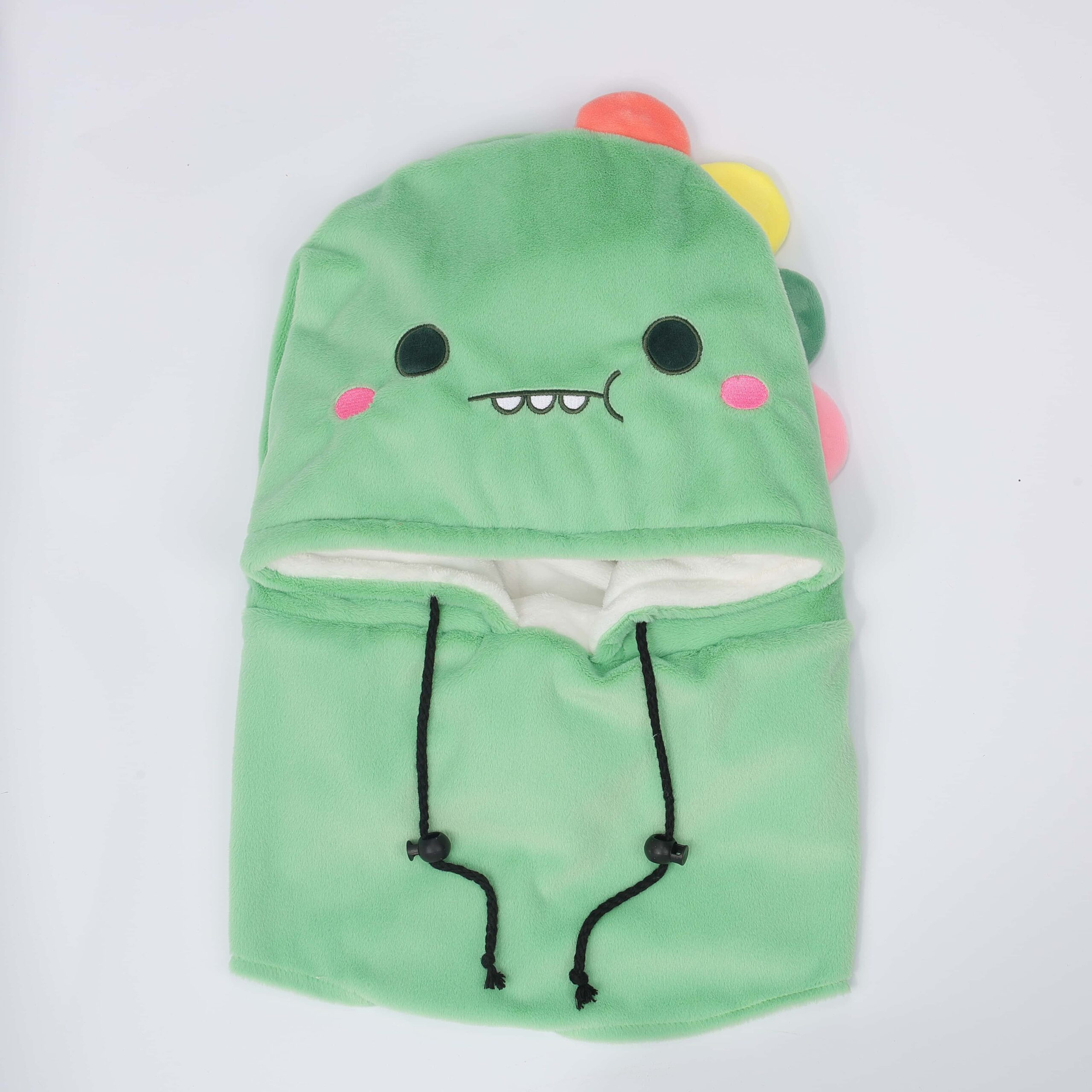
Plush that does something sells outside the toy aisle. Hand warmers, hood hats, car accessories, plush bags and keyrings reach gift shops, travel retail and winter promotions — buyers who would never place a teddy bear order. One strong shape can carry a whole program, because it sells on the idea.
Compliance needs the most attention here. Anything with a cord, drawstring, strap or clip is judged both as plush and as a wearable, and the age you declare decides which tests apply. A hood with a long tie is a design decision before it is a compliance problem. Our guide to plush toy safety standards covers the documents to request before a deposit.
Type Three: Cushion and Home Plush Ranges
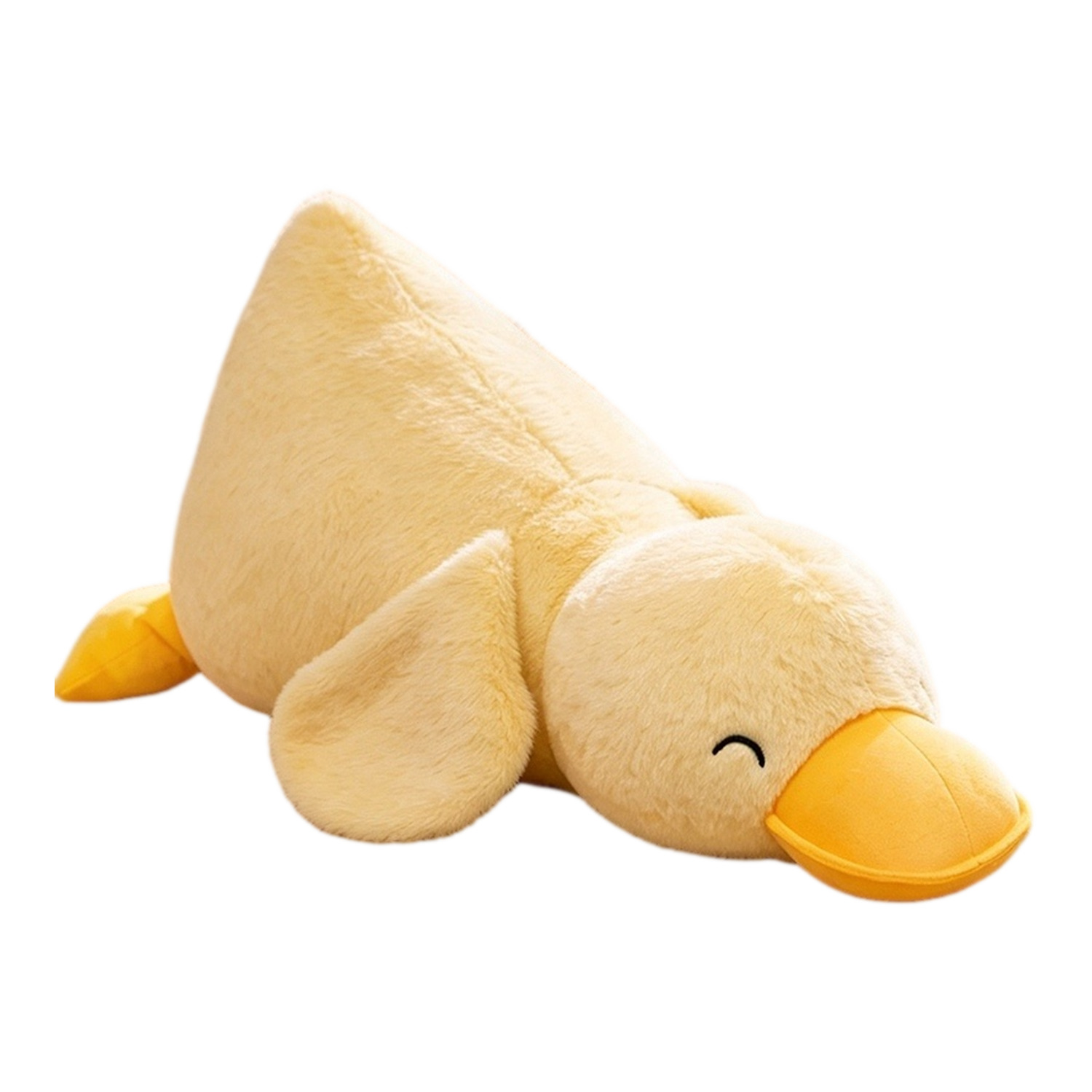
Shaped cushions, sleeping pillows and plush seat pads sit between toys and home textiles. They suit homeware buyers, online lifestyle sellers and gift shops in the quiet toy months, and the design language shifts: bolder print, larger scale, a shape that reads from across a room.
This is where a size ladder earns its keep. A shaped cushion at 38 x 7 cm works as a chair pad, while a sleeping pillow at 40, 70 and 100 cm covers chair, sofa and floor from one piece of artwork. Filling density matters more than on a small toy, because a large thin pillow creases along the seam; the fabric and filling guide explains how filling weight per size is specified.
Type Four: Seasonal Plush and Festival Programs
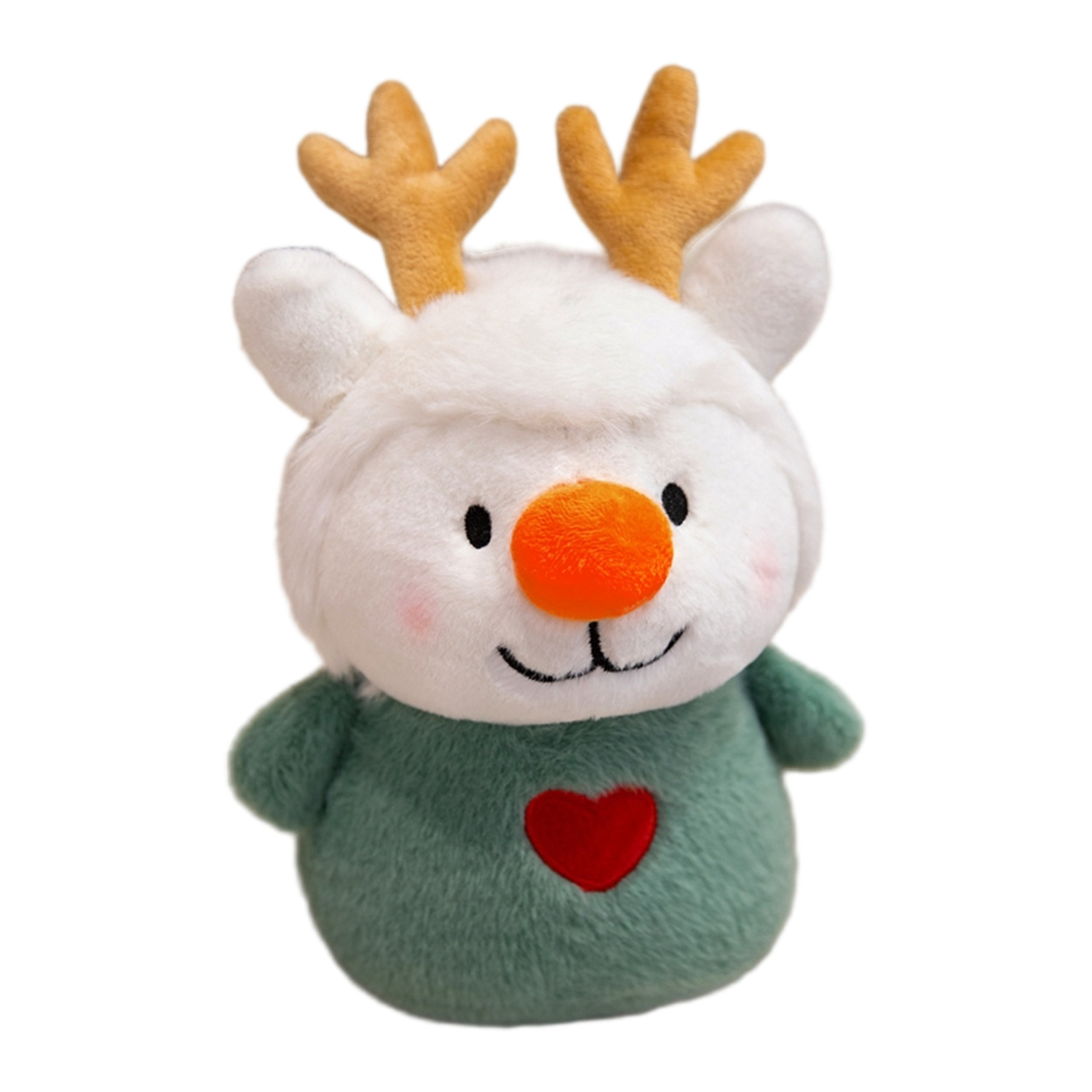
Halloween, Christmas, Valentine's Day, Easter and graduation each carry their own vocabulary, and the range has to be built backwards from a retail date that never moves. Small tree pieces at 17 and 25 cm sit at the impulse end, larger figures anchor a display, and the colour palette is fixed by the holiday. Treating seasonal plush as a cheaper version of the core range is the usual mistake.
Seasonal demand repeats, which changes how you buy it. A design that sells through becomes a re-order, but only if the supplier keeps the pattern, embroidery files and fabric reference — ask before the first order, not after the second season. Our holiday planning timeline works through the reverse calendar.
Type Five: Realistic and Printed Character Plush
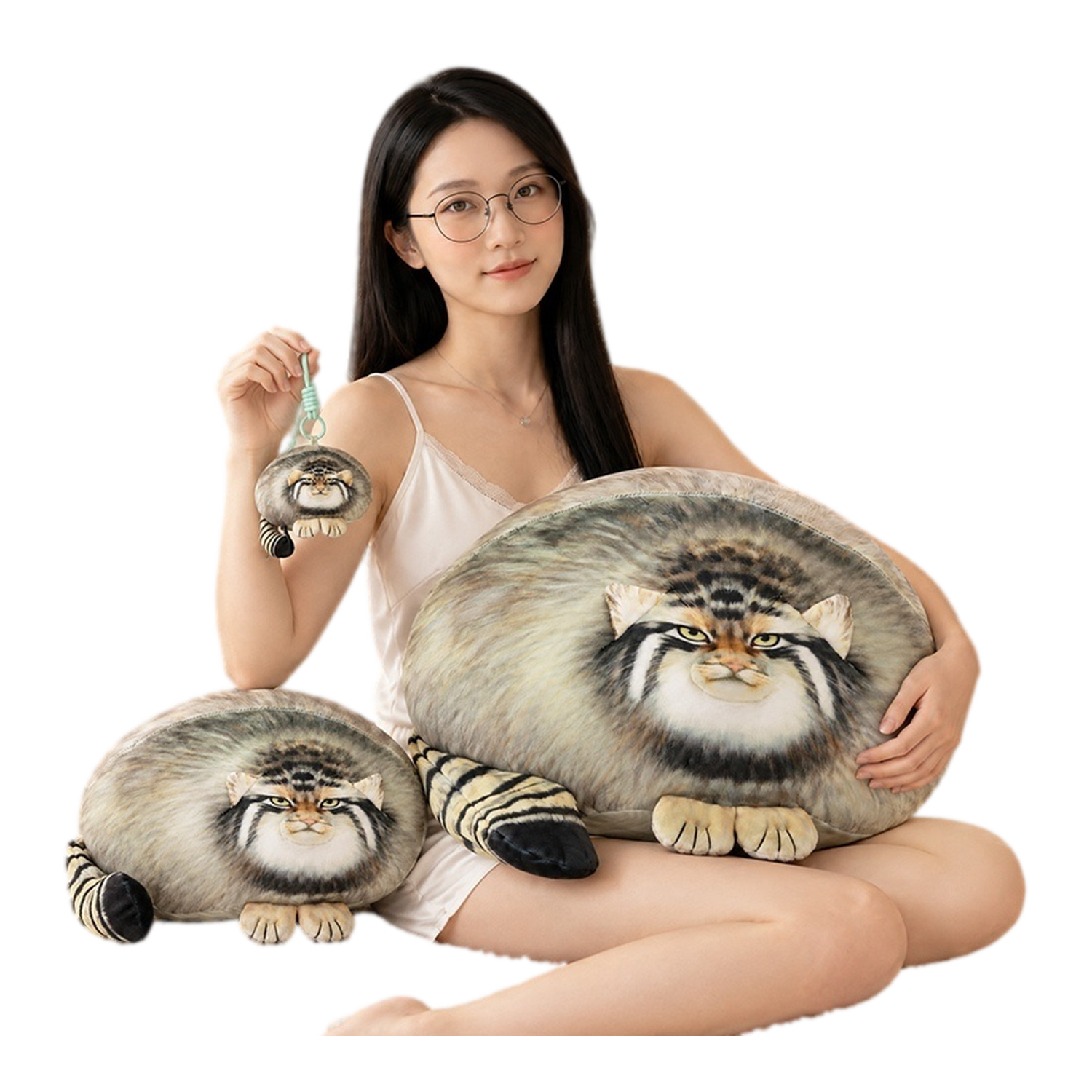
Printed and airbrushed plush reproduces fur markings, feather patterns and gradients that sewing cannot reach, and it carries a design signature: a realistic animal in three sizes with a matching keyring, sold as a collectible. Production is less forgiving, because print registration and hand shading are judged by eye.
Keep this type narrow: approve a range of samples rather than one perfect prototype, and write an acceptable shading tolerance into the order.
What Buyer Behaviour Says About Which Types to Stock
Assortment decisions get easier when you read shortlists rather than opinions. On our own catalogue, buyer demand lists cluster in two places: functional and wearable shapes — an animal hand warmer, a winter hood hat, a car accessory — followed by cushions, then festival designs such as a Christmas elk, a penguin and a reindeer bear.
The clearest signal was also the most uncomfortable one. A dragon plush design was shortlisted more often than any other single product on the catalogue, and that design has since left the range. The lesson is not that dragons are magic; it is that demand does not leave with the design. Buy the nearest substitute inside the same type before adding a new one.
When a Design Disappears, Re-Source the Design
Designs leave ranges for ordinary reasons: a fabric or dye lot is discontinued, a pattern or mould is retired, or the item was a one-off buy. None of that means the shape cannot be made again — it means you need the files behind it.
Ask any supplier for five things: the sewing pattern, the embroidery or print files, the fabric reference with pile height and weight, the approved master sample, and the specification sheet covering trim, filling weight per size and age grading. A supplier who still holds the pattern can rebuild the item; one who does not is designing from a photograph, which is a different job with a different result. If the design has to be developed again rather than repeated, work through our buyer's checklist for choosing a custom plush toy manufacturer, and approve the rebuilt sample against your own master, not a screen image.
Depth, Breadth and the Pre-Order Assortment Checklist
As a working rule, put roughly two thirds of the budget into the two or three types that already show demand, and hold the rest for one test. Depth in the right type outsells breadth across the wrong ones.
- One focal design per type, with a size ladder inside that design family.
- A written specification per type — fabric, filling weight per size, trim, age grading — not one generic spec for the whole order.
- Packaging decided per type: seasonal goods usually need different presentation from home plush.
- A documented re-source path for every design you intend to repeat next season.
Build the wholesale plush toy assortment this way and the range starts telling you what to buy next, because each type reports its own demand instead of disappearing into one sales total. To see these types as finished ranges, browse the plush pillows and soft home collection, the Christmas plush range or the pet plush toys, and read how we work with wholesale buyers on range planning.
Related reading
- Plush Toy Packaging: A Buyer's Guide to Retail-Ready Bags, Hangtags and Cartons
- Plush Toy Trends 2026: A Wholesale Buyer's Guide to What Sells
- Plush Toy Care for Retailers: A Cleaning and Storage Guide
- Wholesale Plush Hand Warmers and Winter Accessories: A Buyer's Guide
Keep exploring: plush pillows and home range, pet plush toys, or browse the full article library.