

Two plush toys can share the same silhouette, the same embroidery file and the same size specification, and still feel completely different in a buyer's hand. The difference is almost always material: pile height, fabric weight, backing quality and filling density. Those four variables decide how a toy looks on a retail shelf, how it survives a washing machine, and how much it costs to land in your warehouse. This guide walks through the materials behind most plush orders, in the vocabulary you need when writing a purchase order.
Why Fabric and Filling Decide the Product
Shoppers judge a plush toy by touch within a couple of seconds. A dense, silky pile reads as expensive; a thin, papery pile reads as a giveaway item, even when the sewing is identical. Fabric is usually the largest single material cost in a plush toy after labour, so the choice also sets your retail price ceiling.
Material decisions cascade through the project. Long-pile fabric needs more stuffing to look full, more brushing time after filling, and more carton volume for the same weight. Deciding fabric first, then filling, then structure, avoids expensive revisions when your sample arrives.
Short-Pile Fabrics: Velboa, Minky and Crystal Velvet
Short-pile fabrics are the workhorses of the category. Velboa, typically one to three millimetres of pile on a knitted backing, takes print and embroidery cleanly, embosses well, and is the most economical option that still feels soft. It is the standard choice for licensed characters, promotional plush and any design where graphic accuracy matters more than luxury hand-feel.
Minky sits a step up: a slightly longer, silkier pile with a directional nap that shifts shade when you brush it. Because the nap runs one way, panels must be cut in a consistent direction or the finished toy looks patchy under store lighting. Crystal velvet, sometimes sold as super soft, has the longest pile in this group and a soft sheen that photographs well, which is why it dominates teddy bears and gift plush.
Fabric weight is quoted in grams per square metre. Light short-pile for keychain items sits at the bottom of the range, mid-weight around 250 to 300 grams is the usual sweet spot for medium plush, and heavier weights are used where the toy must hold a firm shape without much filling.
Long-Pile and Shaggy Fabrics: Faux Fur and Sherpa
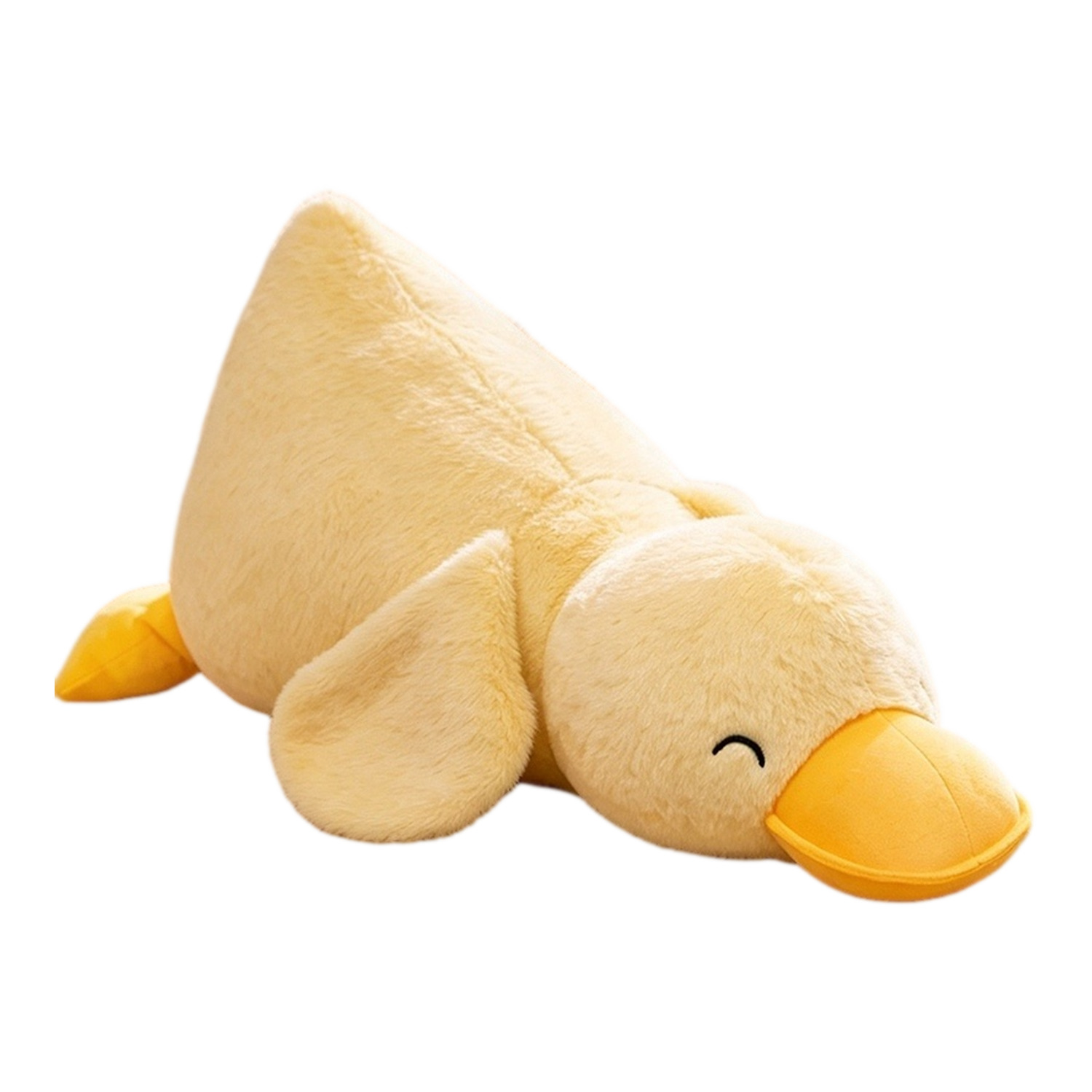
Long-pile faux fur runs from roughly ten to twenty-five millimetres and delivers the softest hand-feel in the category, at a price. The pile hides seam lines, so a long-pile toy forgives simple pattern work, but it demands more attention elsewhere: brushing to lift pile out of the seams, air-blowing after stuffing, and careful packing so the toy does not arrive flattened.
Sherpa and boucle surfaces use a looped yarn rather than a cut pile, producing the dense sheep-like texture used for winter pillows and cozy animal designs. Both long-pile and looped fabrics shed, and shedding is a genuine compliance concern for infant products, so specify a pile-locking finish and test for fibre release before you commit to a large run.
Specialty Surfaces: Knitted, Printed and Airbrushed
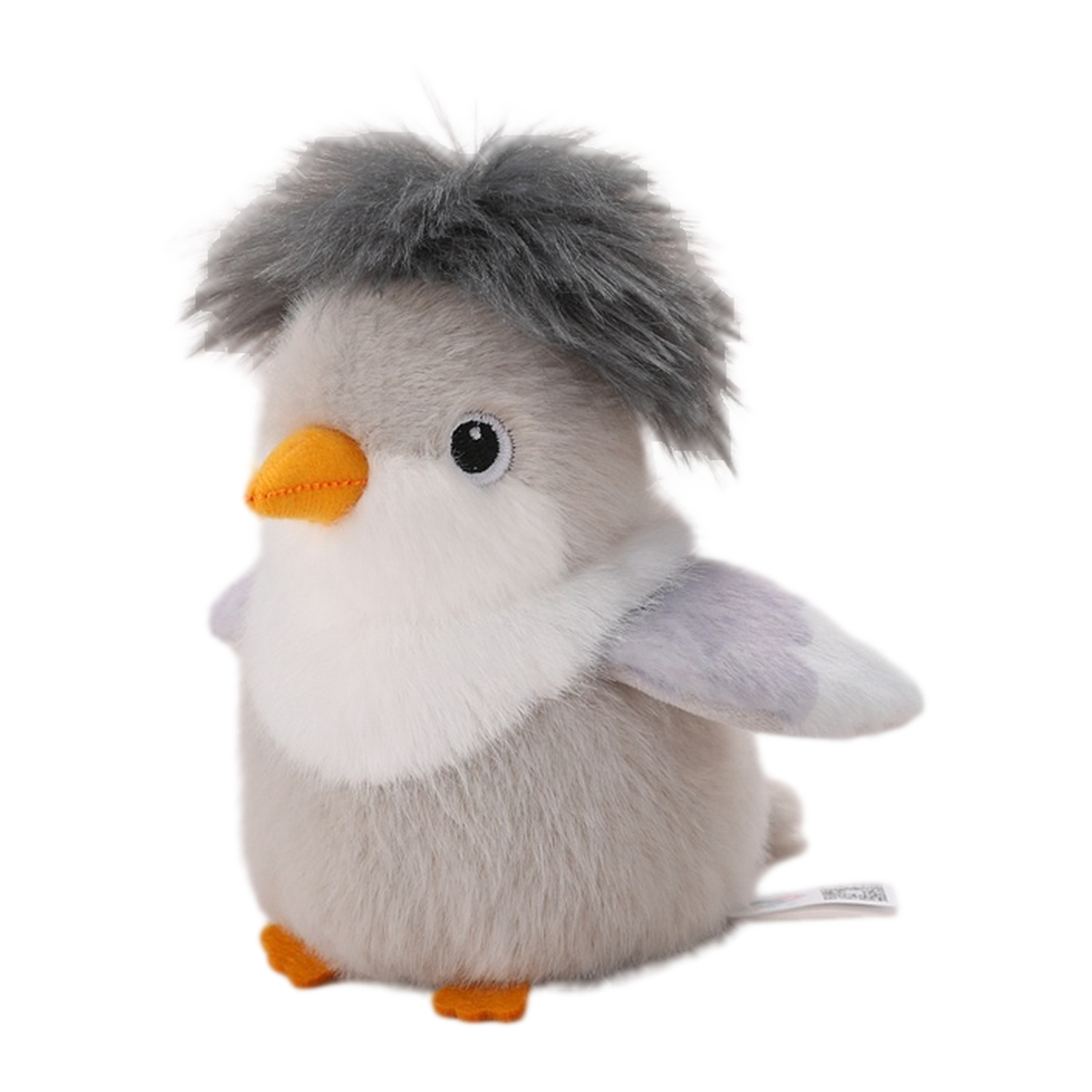
Not every plush is a solid-colour cut pile. Knitted and crochet-look fabrics give a handmade, vintage feel and are popular for boutique ranges where texture is the selling point. Sublimation printing on a white short-pile base lets you reproduce fur markings, feathers and gradients that would be impossible to sew, and it is the technique behind most realistic animal plush.
Airbrushing is the labour-intensive option: a plain plush is shaded by hand after filling to add depth around the ears, paws and muzzle. It produces the most lifelike result and the least consistent one, because every piece is painted individually. If you choose airbrushing, approve a range of production samples rather than a single perfect prototype, and write an acceptable shading tolerance into the order.
Filling: PP Cotton Grades and Density
Almost all plush toys are filled with polyester staple fibre, usually described as PP cotton. The fibre is siliconized so it slides and recovers, and it comes in different fibre thicknesses and in virgin or recycled grades. Thicker fibre gives a springier toy that holds shape after compression; finer fibre feels softer but settles faster.
Density is quoted as the weight of filling per toy, not as a percentage. The same 20 cm pattern can be stuffed at two very different weights, and the difference is obvious the moment a customer squeezes it. Under-stuffed toys wrinkle along the seams; over-stuffed toys strain the seam allowance and can split at the joints. Ask for the filling weight per size in grams, and compare it against the approved sample.
Weighting is a separate decision. Pellets in the base help a sitting toy stay upright, and they belong in a stitched inner bag rather than loose inside the body. For infant and pet products, confirm there is no loose fill and that any squeaker or crinkle sheet is fully enclosed and tested.
Backing, Lining and Hardware
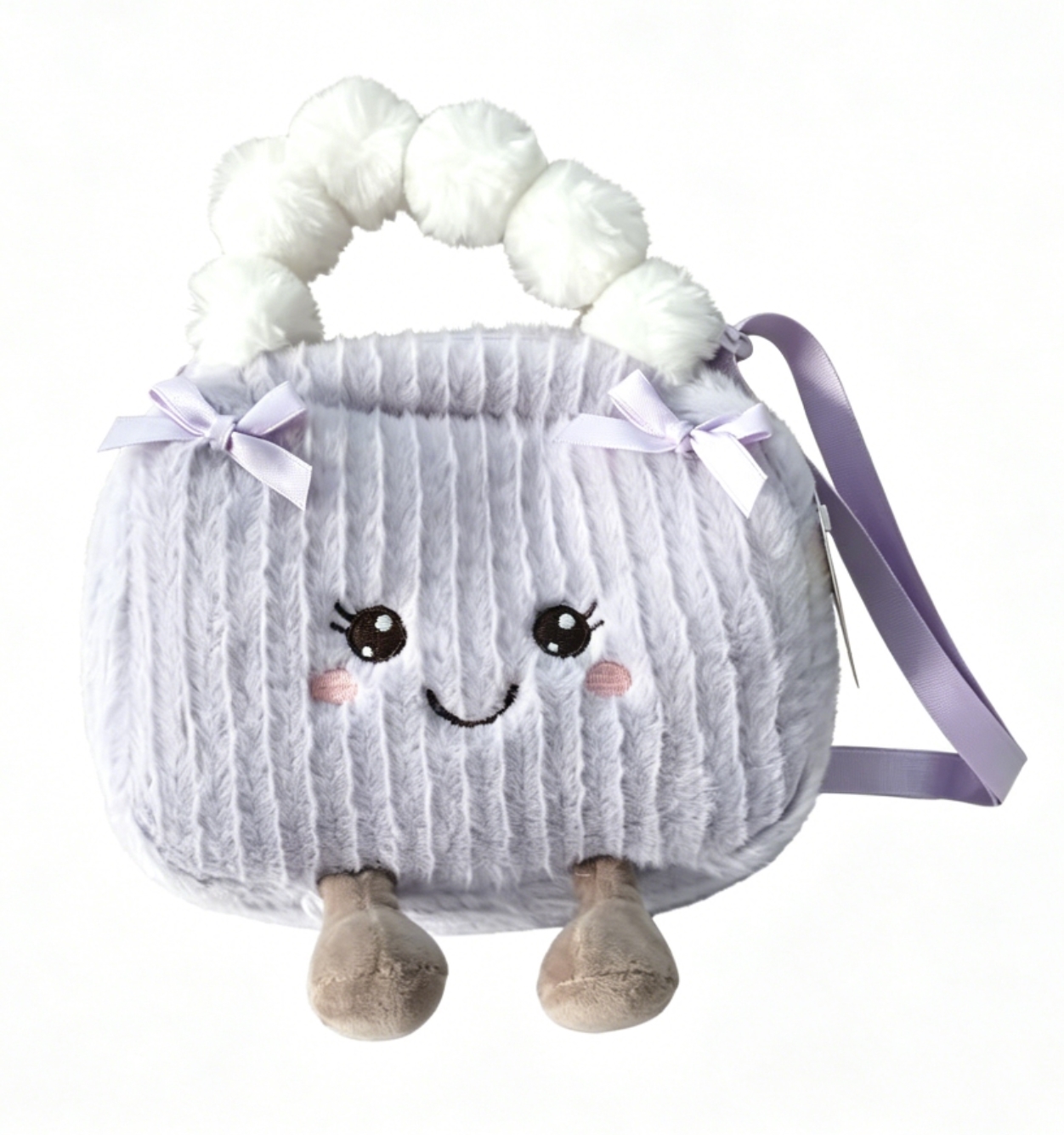
The invisible materials matter as much as the visible ones. A tricot backing or a light non-woven interlining stabilises the fabric so it does not stretch out of shape during stuffing, and a lining keeps white filling from showing through a pale outer fabric. On plush bags and wearable items the lining also carries the weight, so it should be a woven or tightly knitted fabric rather than a soft plush.
Hardware is where safety and cost meet. Safety eyes with a washer back are standard for most markets; embroidered or flock-printed eyes are the safer choice for products aimed at children under three. Zippers, clips, keyrings and ribbons all need to pass pull tests appropriate to the age grade, and metal parts should be nickel-free and rust-resistant if the product may be washed.
Specifying Materials Correctly on a Purchase Order
A material specification should be precise enough that two factories would quote the same product. Write the fabric by name, pile height and weight in grams per square metre, with a Pantone reference for each colour. Write the filling by fibre type and weight per size. Write the eyes, nose, joints, lining and any inner bags. Then attach a photo of the approved sample, because a written spec without a golden sample always drifts.
Keep a signed master sample in your own office and ask the factory to keep a matching one. When a repeat shipment arrives with a slightly thinner fabric or a lighter fill, two samples settle the argument in a minute. Align your test plan with the materials you chose as well: printed and coated surfaces drive heavy-metal and migration testing, plush pile drives the fibre-shedding question, and any fragrance or pellet insert brings its own documentation.
Get the material choice right and everything downstream gets easier: sampling, costing, carton planning and compliance. If you would like to see how these fabrics look once they are made up, browse our plush pillows and soft home range, our seasonal Christmas collection or our festival plush toys, and read more about how we work with buyers on material selection.
Related reading
- Wholesale Plush Hand Warmers and Winter Accessories: A Buyer's Guide
- How to Build a Wholesale Plush Toy Assortment: A Buyer's Guide to Product Types
- Plush Toy Safety Standards Explained: EN71 and ASTM F963 for Wholesale Buyers
- How to Plan Wholesale Plush Toys for the Holiday Season: A Buyer's Timeline
Keep exploring: plush pillows and home range, pet plush toys, or browse the full article library.