

Plush toy packaging is usually settled last and felt first. A buyer spends weeks agreeing outline, fabric and embroidery, then discovers that the hangtag arrived late, the carton burst at the port, or a European retail group wants documented evidence for the word "recycled" printed on the front. Packaging is not decoration: it protects the pile in transit, carries the marking your market requires, and does most of the selling in the two seconds a shopper looks at a hook or a shelf. This guide walks through the choices that decide all three.
The Three Jobs Packaging Has to Do
Every packaging decision can be tested against three questions. Can it protect the product: keeping pile from flattening, white fabric from picking up colour, and printed panels from creasing along a fold? Can it carry compliance: the age grading, tracking information and warnings your target market requires to be legible at the point of sale? Can it sell: does the item look like a gift at this price point, and does it hang, stack or sit the way the retailer's fixture expects?
Plush complicates all three because it is bulky and compressible. Compressing hard saves freight, but an over-packed toy arrives with creases across airbrushed or printed faces that no steaming fully removes. The trick is removing air without crushing shape, which is why the carton plan belongs in the specification rather than in an instruction written on packing day.
Primary Packaging: Polybags, Printed Boxes and Display Cartons
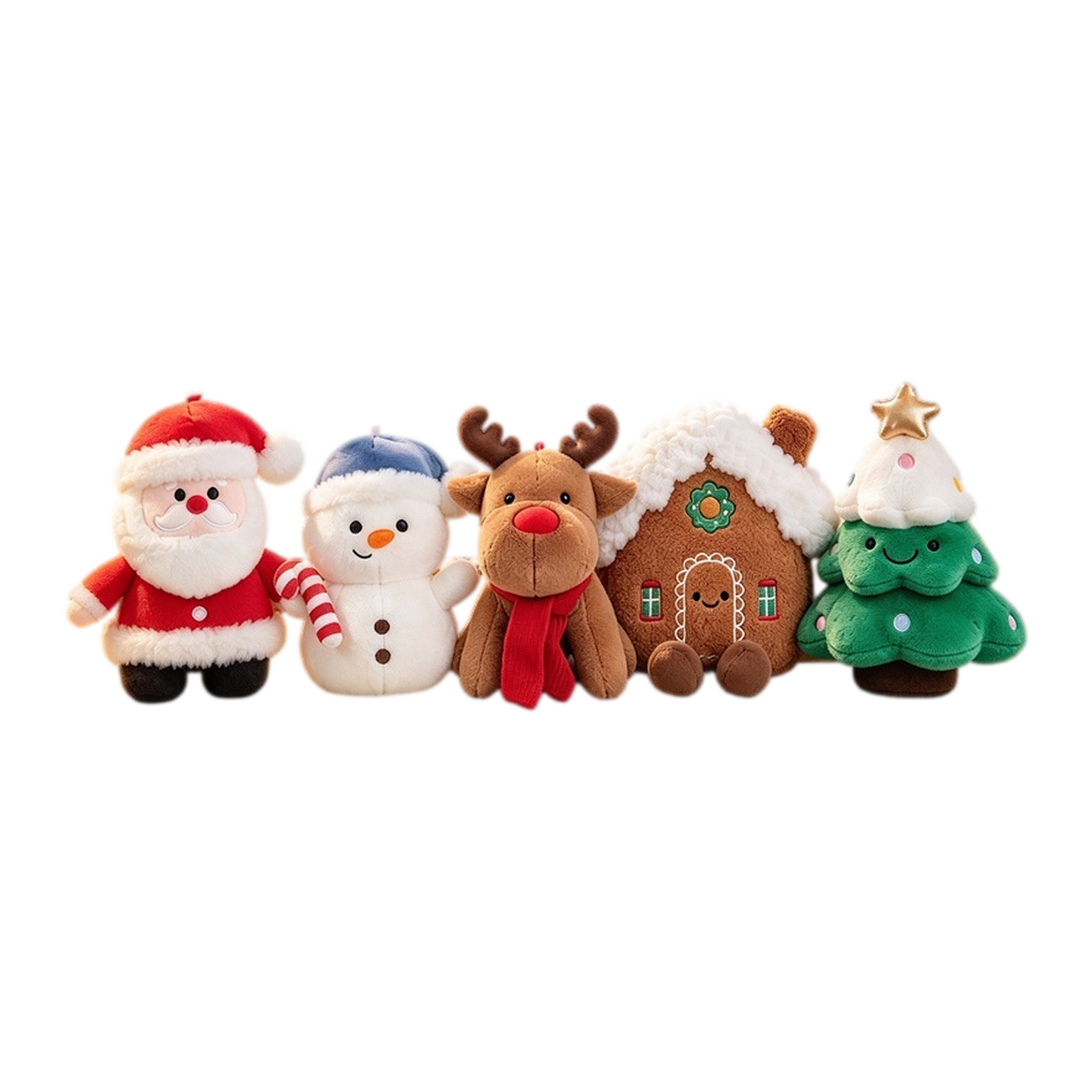
Most bulk plush ships in one of three formats. An individual polybag, usually OPP around 30 to 50 micron depending on size, is the default: cheap, clear, and it keeps dust off the pile, though it needs the required suffocation warning and air holes for its market. A printed gift box lifts perceived value and suits bouquets and bears bought as presents, at the cost of material, cube and a print run with its own minimum. A display carton, sometimes called PDQ or shelf-ready packaging, tears open into the shelf tray: it saves retail labour and is often what a large chain will ask for.
The choice should follow the channel. Discount and impulse channels want hanging formats with a printed header card and euro-slot; gift channels want a box; marketplaces increasingly want minimal plastic. Decide which is primary and price the alternates as options rather than discovering the requirement after production.
Hangtags, Labels and the Compliance Text They Carry
A hangtag does more than list a brand: age grading, fibre content, care instructions, importer details and tracking information usually live on it, and in a physical audit those few square centimetres get read first. Sewn-in labels carry the same duty and survive handling better, so many programmes use both — a permanent label for required markings and a hangtag for the selling line.
Before artwork goes to print, ask which elements are legally required in the destination market and which languages must appear side by side. Then check the artwork against the tested construction, because a toy graded for a younger age band cannot quietly be relabelled for an older one. Our guide to plush toy safety standards sets out how age grading and tracking labels interact.
Certified Materials: Where GRS and FSC Actually Fit
Recycled claims are now audited rather than admired, and packaging is where a lot of programmes fail. A range specified with recycled filling needs a documented chain of custody, and a carton labelled recycled needs one too. We hold GRS 4.0 through SGS (certificate SGC-GRC11898-GRS-2026-10, TE-ID TE-00354571) covering toy production, and FSC chain of custody (ESTS-COC-261436, in effect from 14 October 2026) covering paper packaging, paper boxes, hangtags and labels under either FSC Mix or FSC Recycled.
The practical consequence is that fibre and paper have to be specified together. If the toy carries a recycled claim while the box and hangtag sit outside the certified scope, the claim collapses the moment a retail group asks for evidence. Ask for certificate numbers and scope rather than for a logo, and confirm whether the printer is inside the same chain of custody as the carton. The fabric and filling guide explains how to write the material side of that specification so the two halves match.
Cartons, Cube and Where Freight Costs Hide
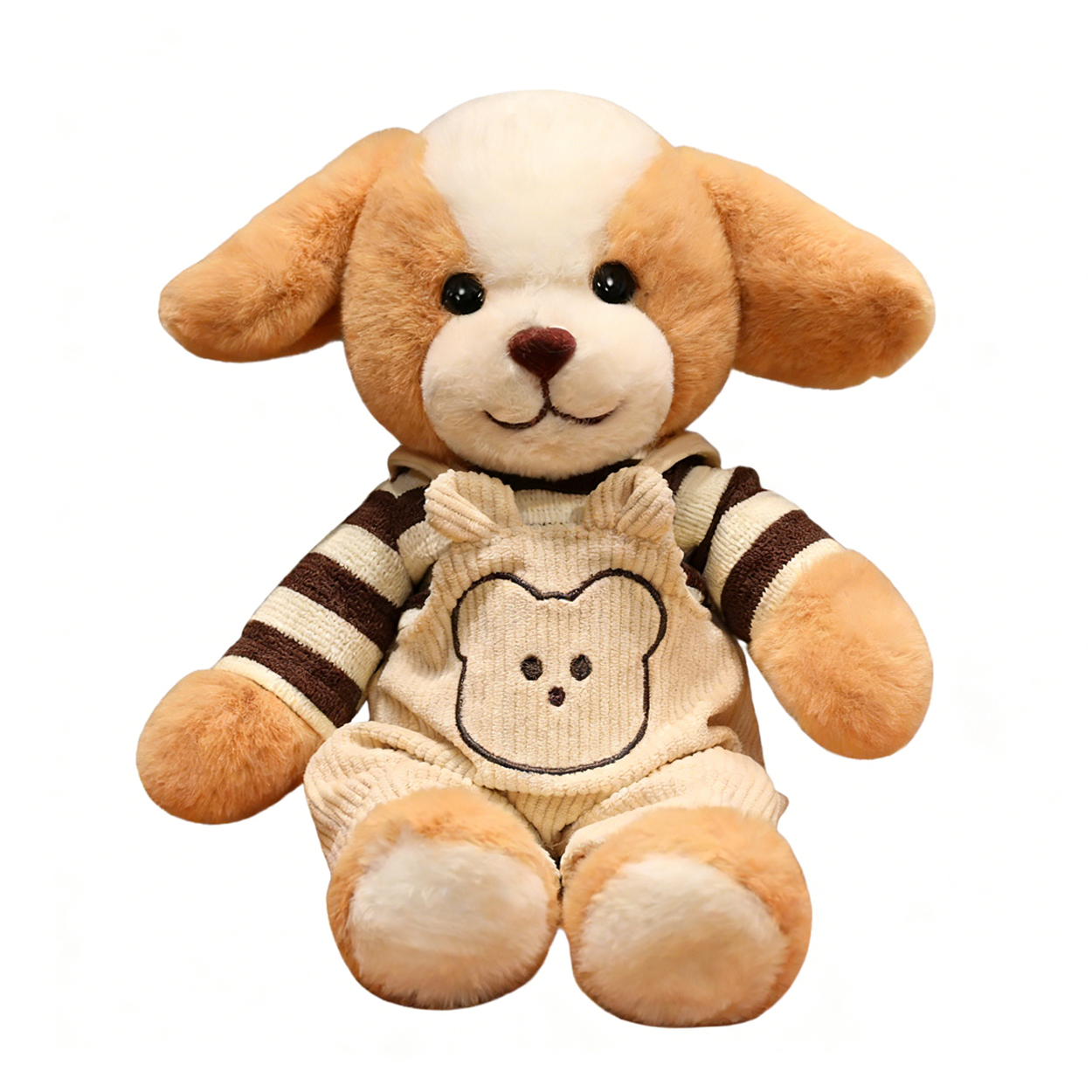
Plush is a volumetric commodity: freight is charged on whichever is greater, actual weight or volume, and a carton of teddy bears is mostly air. That makes packing efficiency one of the largest levers on landed cost, and it rewards planning the carton alongside the product rather than after it. A carton that ships half empty costs almost the same as one that is full, which is why the number of pieces per export carton should appear on the quotation and not only on the packing list.
The physical side is less glamorous and more expensive when it goes wrong. Carton board grade and fluting have to match the stacking height in a container; moisture in a damp season softens board and collapses corners; heavy cartons that exceed what one person can move safely get dropped. Ask for the carton specification in writing — board grade, dimensions, pieces per carton, gross weight — and add a small buffer rather than packing to the theoretical maximum, because a burst carton at the port costs more than the freight saved. Timing matters as much as specification: our holiday planning timeline sets out how far ahead carton choices have to be locked for seasonal programmes.
Approving Packaging Without Losing Weeks
Packaging development runs in parallel with sampling, or it becomes the reason a shipment slips. Start the dieline and artwork at the same moment you approve the first prototype, then approve three things separately: a blank white sample in the real carton, a printed proof checked under daylight rather than a screen, and a packed carton drop-tested at the weight it will actually ship at. Prints differ from proofs in predictable ways — saturated colours shift, fine text fills in — so a physical proof is worth the extra days.
Two commercial details belong in the same conversation. Our standard minimum order is 500 pieces per style, and a run of 20 samples takes about 15 days including PVC mould making where a mould is needed, so artwork approval belongs inside that window. And ask whether printed packaging is made in-house or sent out: an external printer brings its own minimum quantities and lead times, rarely negotiable at the last minute. The checklist for choosing a custom plush toy manufacturer covers packaging as one of the questions to settle early.
Final Word
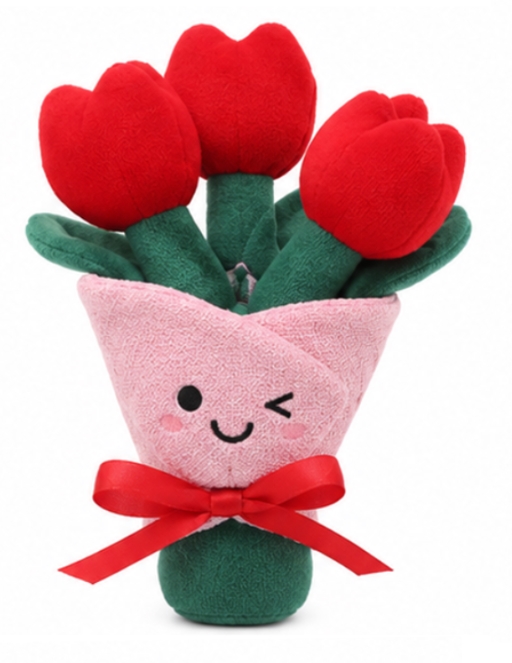
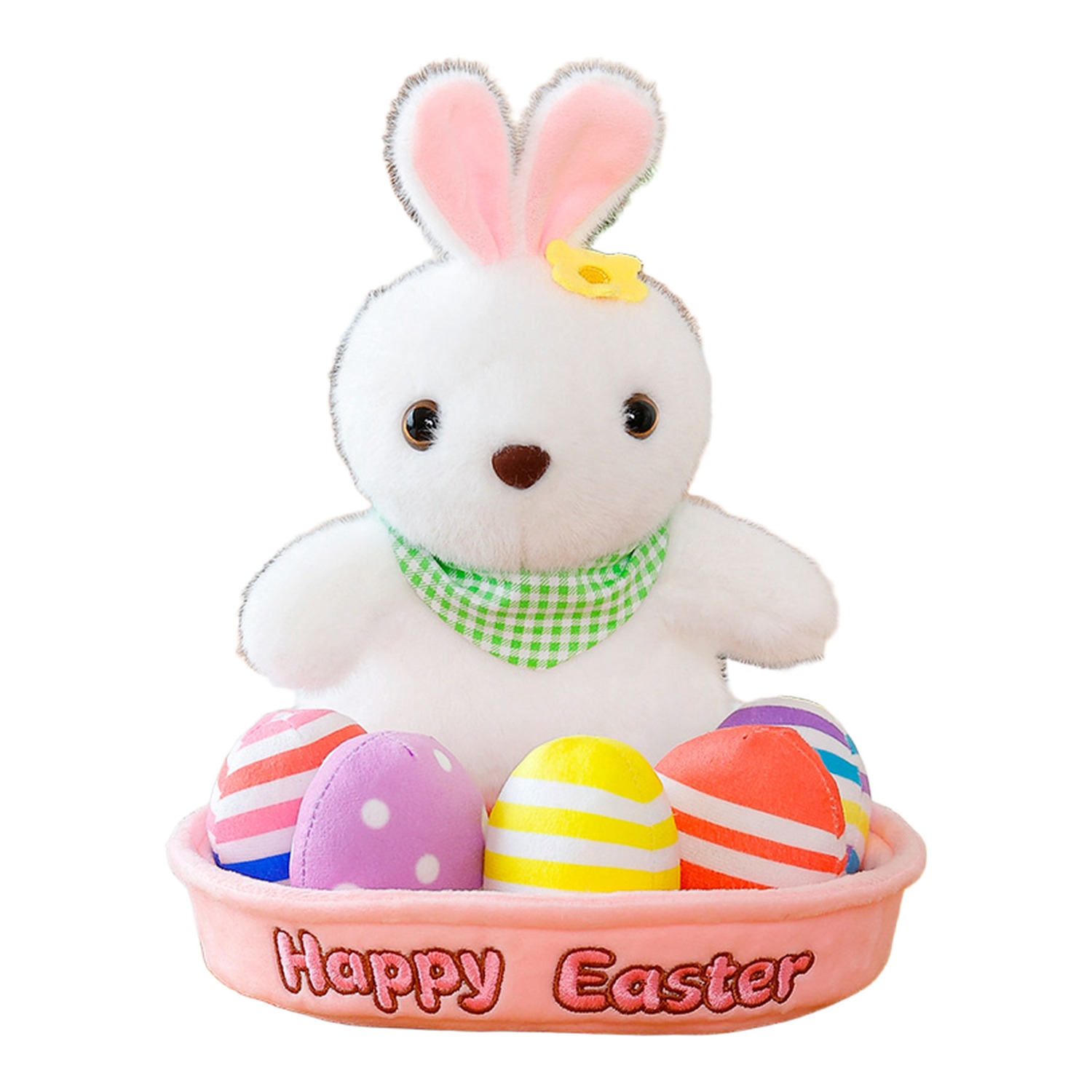
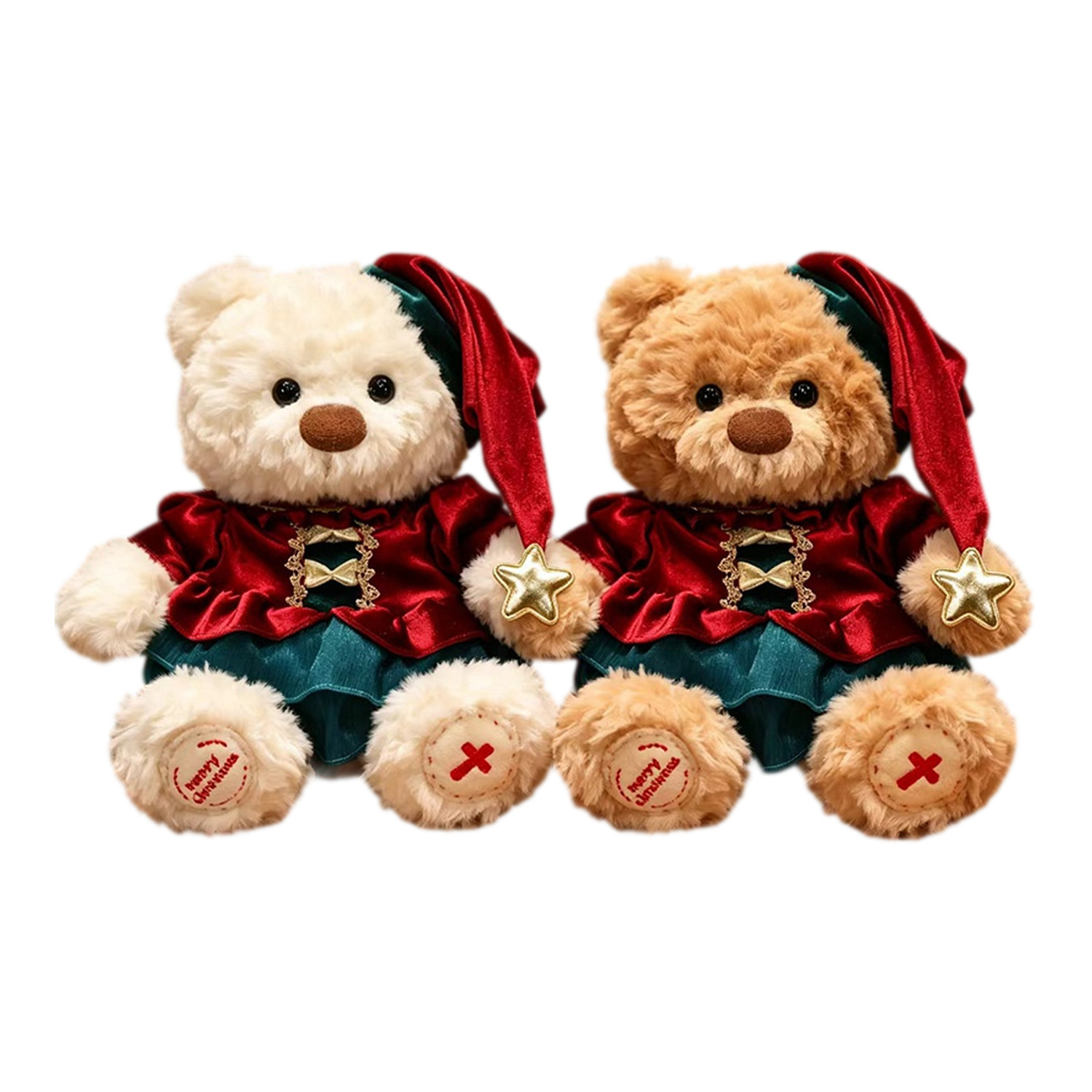
Settle the three jobs early, keep the recycled claim inside certified scope, write the carton into the quotation, and approve a physical proof in daylight. To see how these formats look on finished ranges, browse our Christmas plush collection, the Valentine's Day plush gifts and our everyday festival plush toys; the assortment guide explains how packaging differs by product type. Visit the full article library or read how we work with wholesale buyers on specs and packaging.
Related reading
- Wholesale Plush Toys MOQ Explained: A Buyer's Guide to Per-Style Minimums
- EN71 vs ASTM F963: A Compliance Comparison for Plush Toy Buyers
- From Brief to Bulk: The Custom Plush Toy Process, Step by Step
- Bulk Plush Toy Shipping: A Buyer's Guide to Freight, Cartons and Landed Cost
Keep exploring: Christmas plush collection, festival plush toys, or browse the full article library.