

Seasonal plush is one of the least forgiving categories in soft toys: the retail date never moves, but the work behind it — fabric dyeing, sampling, production and freight — all take the time they take. Buyers who start late do not get a discount on the calendar; they get air freight bills, thinner assortments, or no stock at all. This guide lays out a backward-planning timeline for ordering wholesale plush toys around Halloween, Christmas, Valentine's Day, Easter and graduation season, and the points worth settling with your seasonal plush toy supplier while there is still room to manoeuvre.
Why Seasonal Plush Runs on a Reverse Calendar
A Halloween display goes up in early October whether your goods arrived in September or in November. Everything in a plush program therefore has to be planned backwards from one fixed date: the day the product must be on the shelf. Fabric has to be dyed before cutting, samples approved before mass production, and goods on the water long before the last possible sailing date. Each of those steps consumes weeks that cannot be compressed by paying more — only by starting earlier.
Working backwards is also how experienced buyers protect their margins. Goods booked in the main production season compete for factory line time with every other holiday program; goods booked early get better scheduling, calmer quality control and normal sea freight. Late buyers pay for the same plush twice: once in rushed logistics, and once in the sales they miss while the goods are still at sea.
The Backward-Planning Timeline, Season by Season
As a working rule, a seasonal plush program should start moving five to six months before the shelf date. Mapped against the fixed retail dates, the rhythm looks like this:
- Halloween (October 31): concept and sampling in spring, orders confirmed by early summer, goods shipped by late summer so cartons land well before the display windows go up.
- Christmas (December 25): the largest program of the year and the most contested for production capacity. Design selection in spring, orders placed in early summer, sea freight booked by early autumn.
- Valentine's Day (February 14): a short, sharp season. Sampling in late summer, orders by early autumn, delivery by mid winter.
- Easter (spring, date varies by year): bunny, chick and egg designs sampled in autumn, orders in late autumn, delivery in late winter.
- Graduation season (May to June): cap-and-gown bears and personalized sashes ordered in late autumn and winter for spring ceremonies.
Treat these as planning anchors rather than deadlines. The principle behind all five is identical: the earlier the order is confirmed, the more of the season's capacity, fabric choices and freight options are still on the table.
Matching Plush Designs to Each Season's Shopper
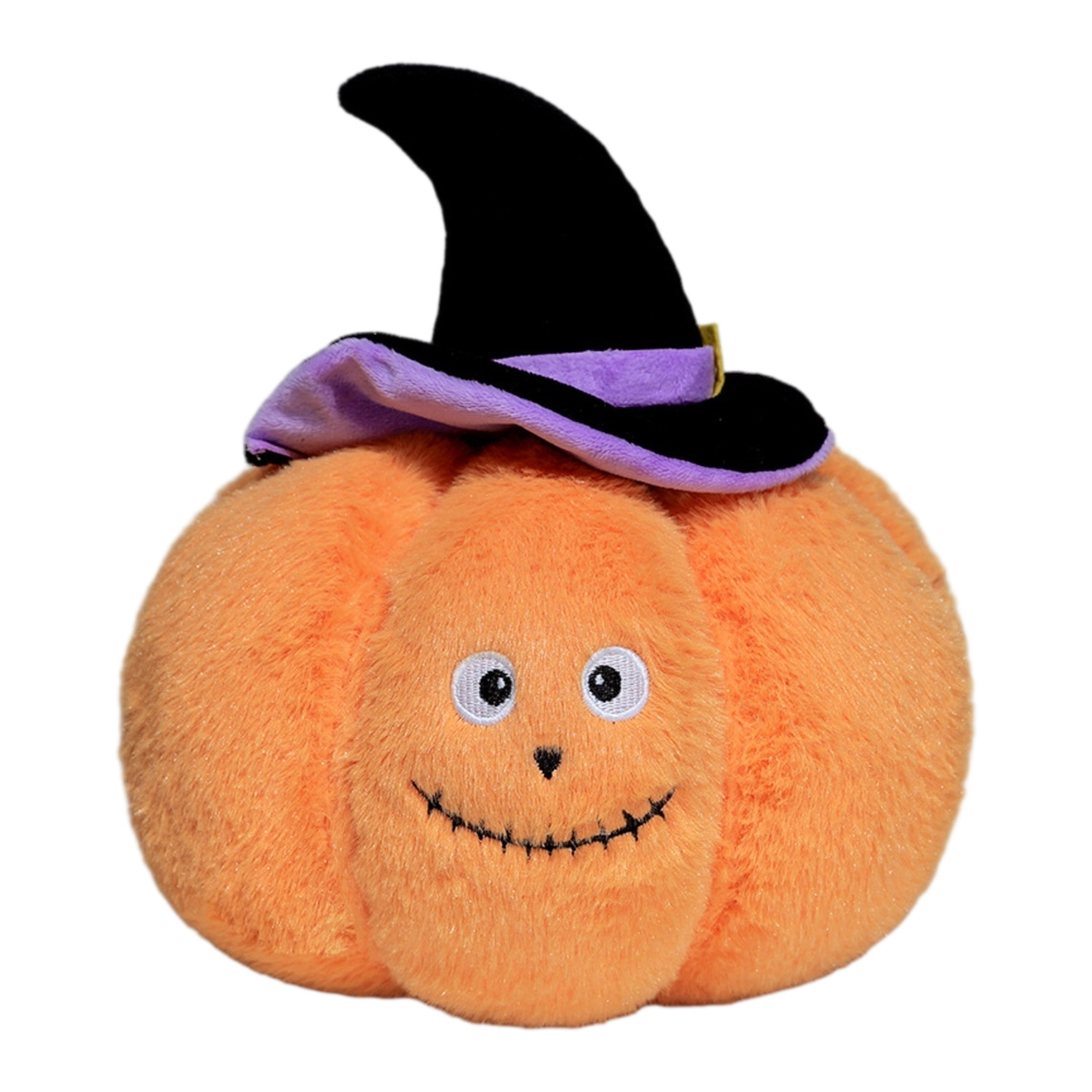
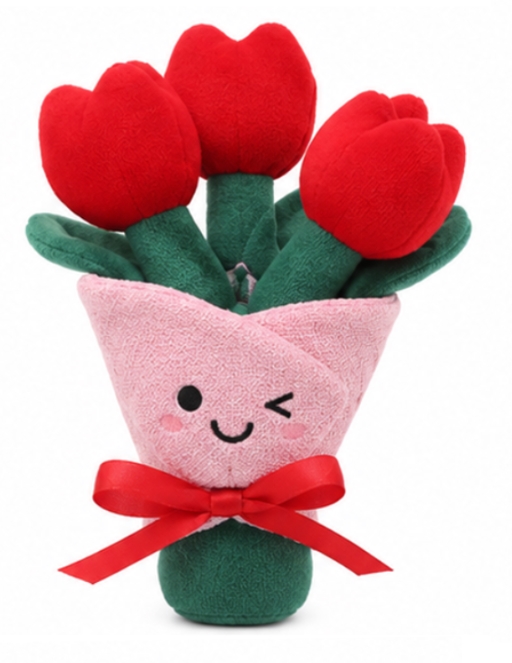
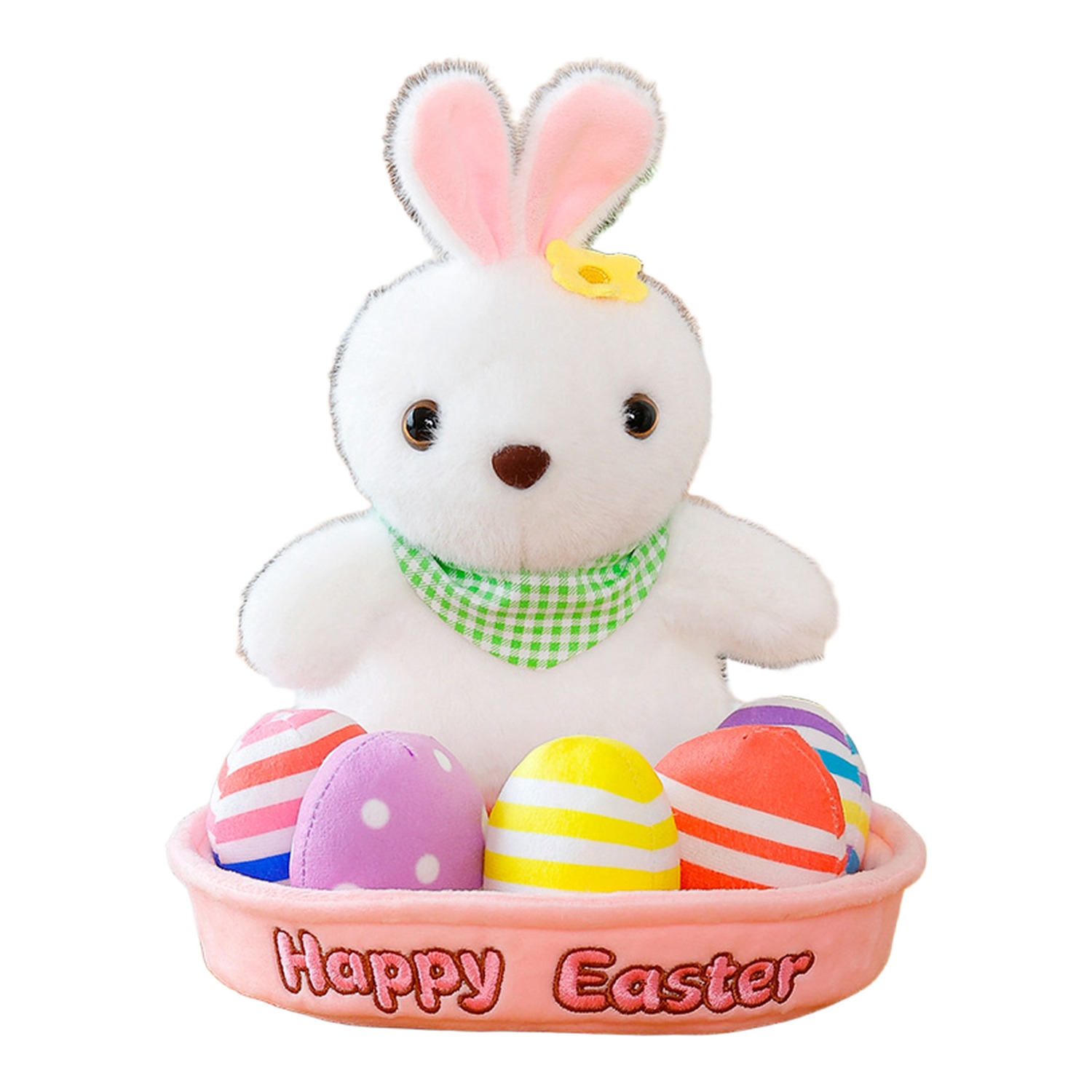
Each holiday has its own visual vocabulary, and buyers generally do best by respecting it. Halloween calls for pumpkins, ghosts, bats and black-cat shapes, usually in orange, purple and black. Christmas is the broadest palette of the year: Santa and snowman figures, reindeer and elk, gingerbread characters, plush Christmas trees and star cushions for shelf displays. Valentine's Day leans on hearts, roses and plush flower bouquets, while Easter wants bunnies, chicks and egg baskets in pastel tones. Graduation is smaller but highly predictable, built around bears wearing mortarboards and gowns.
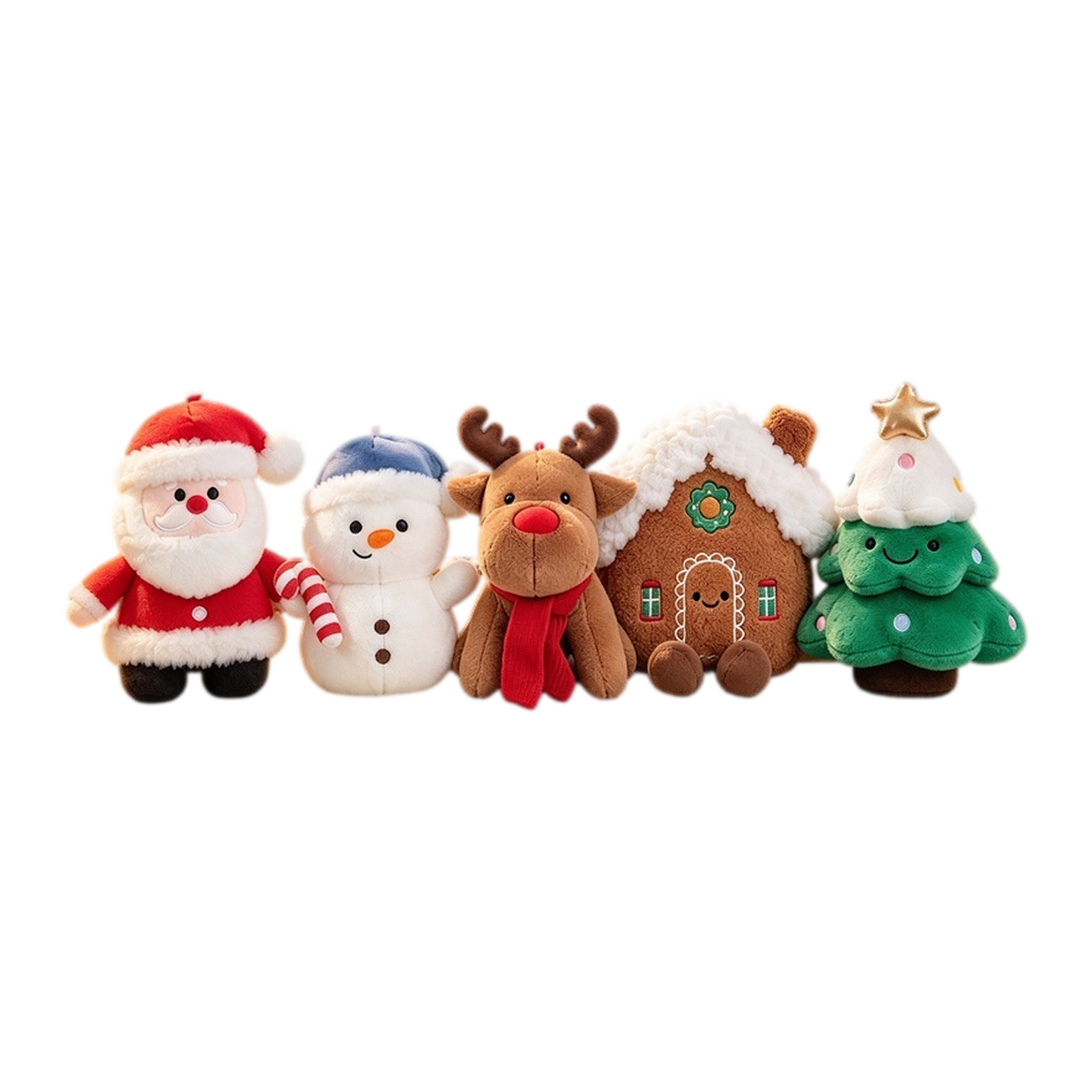
Within each theme, the strongest wholesale ranges offer the same character in a small spread of sizes. A compact size suits impulse fixtures and keychain pegs, a mid size covers gift shelves, and one or two oversized pieces give the display a focal point. One design family, three sizes, four to six colourways: that structure repeats across almost every successful seasonal program we see.
What to Confirm With a Seasonal Plush Toy Supplier Early
Price is the last thing to chase; capacity and structure come first. Before committing a seasonal program, confirm that the supplier can hold your line time in the busy months, and ask directly whether your order would be squeezed by larger Christmas programs if you sign late. Then agree the assortment in writing: which designs, which sizes, which colourways, and what the packaging looks like, because a gift-season plush usually needs a hang tag, an OPP bag or a display box that matches the season's look.
It is also worth asking how repeatable the range is next year. Seasonal programs compound: a snowman that sells out this December becomes a re-order with a faster, cheaper second season, but only if the supplier keeps the pattern, the embroidery files and the fabric references. A supplier who treats each season as a one-off project will quietly cost you that head start.
Reading Demand Signals Before You Lock the Order
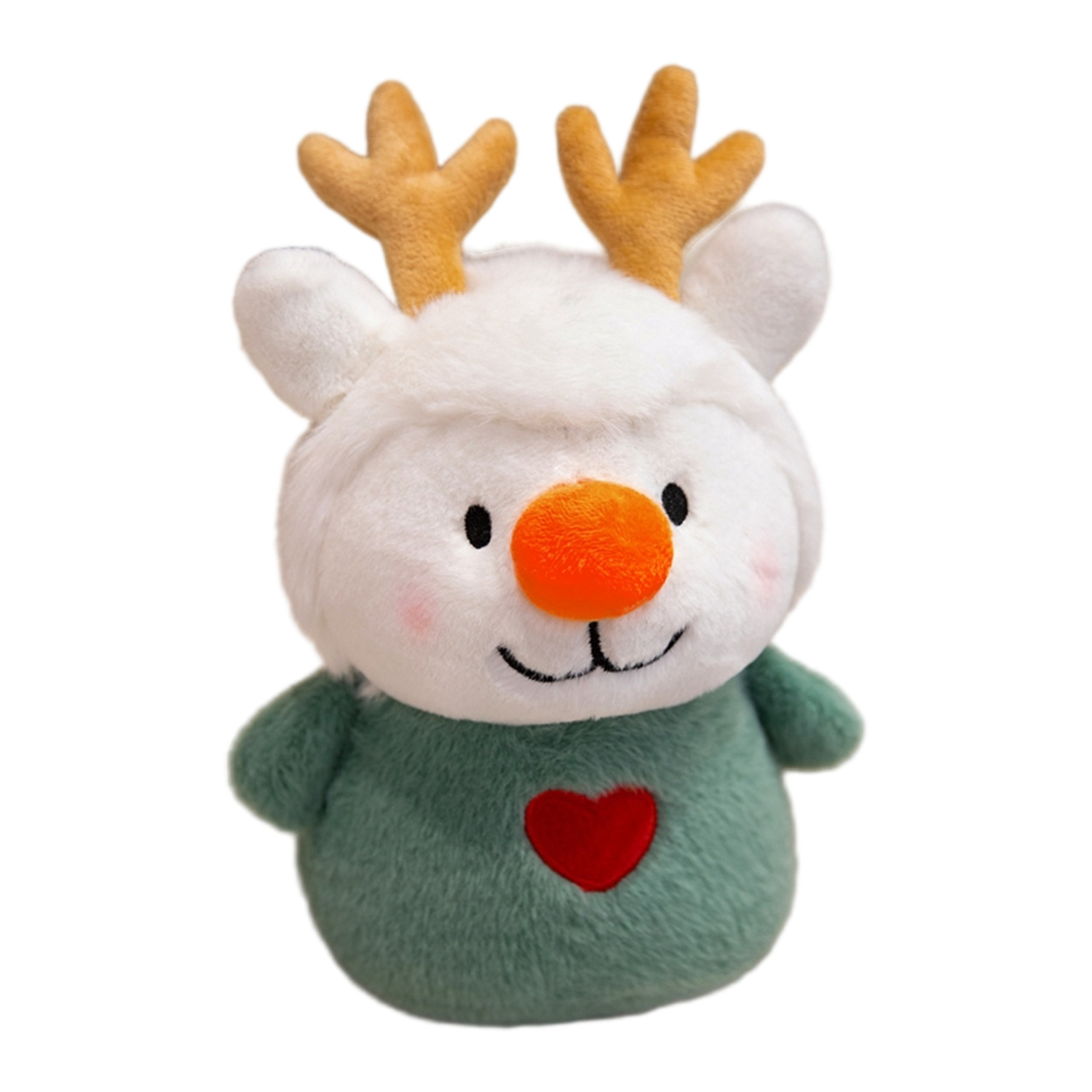
B2B catalogues give you a signal retail buyers rarely get: what peers are actually shortlisting. On our own catalogue, for example, festive designs — from a Christmas elk plush to a Valentine's Day heart-embrace animal — are among the products most frequently added to buyers' demand lists, while some catalogue staples barely move. When a design in your target category collects that kind of attention, it is reasonable evidence the theme has demand behind it, not just a nice photograph.
Use those signals to shape the assortment you commit to: put volume behind the themes that show repeated interest, and treat the rest as small test quantities. A season planned this way needs fewer markdowns afterwards, because the depth sits where the demand already is.
Assortment Strategy: Depth Where It Counts
Seasonal budgets are finite, so the allocation matters more than the total. A common mistake is spreading the budget evenly across twelve designs; the shelf ends up thin everywhere. The stronger pattern is a small core of proven themes bought deeper, plus a couple of new designs bought shallow as tests. Ask your supplier how the minimum order works across a series — many allow one design family to share a production run, which lets you widen the range without multiplying set-up costs.
Finally, plan the arrival, not just the order. Confirm the last safe sailing date for each holiday, add a buffer for port congestion, and agree in advance what happens if a carton is delayed: which designs ship first, and what can go by air without destroying the margin. These are unglamorous details, but they are the difference between a season that sells out and a season that sells out late.
Final Word
Seasonal plush rewards buyers who treat the calendar as part of the product: start five to six months out, build the range in families, and confirm capacity before price. To see how these themes look as finished ranges, browse our Christmas plush collection, our Halloween plush toys, the Valentine's Day plush gifts and the Easter plush toys on this catalogue. For the sourcing side — factory checks, samples and compliance — read How to Choose a Custom Plush Toy Manufacturer: A Buyer's Checklist, or learn more about how we work with wholesale buyers across the holiday calendar.
Related reading
- Wholesale Plush Hand Warmers and Winter Accessories: A Buyer's Guide
- How to Build a Wholesale Plush Toy Assortment: A Buyer's Guide to Product Types
- Plush Toy Safety Standards Explained: EN71 and ASTM F963 for Wholesale Buyers
- Plush Toy Fabrics and Fillings Explained: A Buyer's Guide to Materials
Keep exploring: Christmas plush collection, Halloween plush toys, or browse the full article library.