

Plush toy trends 2026 are being shaped less by showroom taste than by what a buyer can defend on a spreadsheet: freight per unit, certification paperwork, and whether a range can be repeated next season. The six shifts below are the ones we see moving volume in the category, and each comes with the production decision that decides whether the trend turns into a reorder or into dead stock.
Functional Plush Earns the Shelf Space
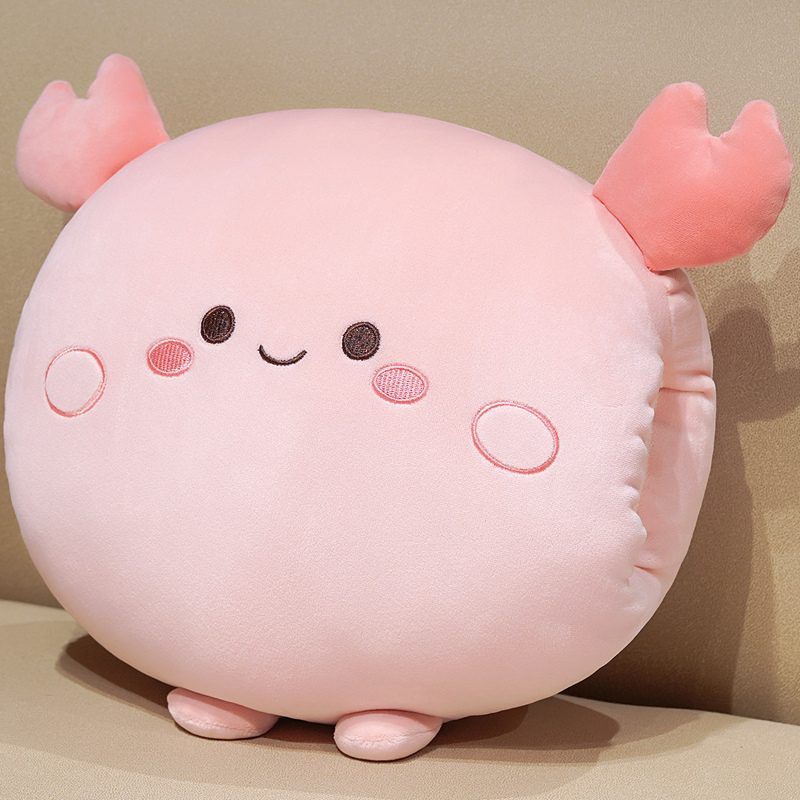
The clearest shift in the category is the drift from display pieces to objects that do a job. A hand warmer, a pair of fleece-lined slippers, a reading cushion: these sell in the quarter when shelf space is most contested, because they compete with homeware rather than with toys. The economics are friendlier in both directions. A carton of compact accessories carries far more units than a carton of 35 cm figures, which keeps freight per unit low and makes mid-season top-ups practical, and the format repeats because a shopper who bought a rabbit hand warmer this winter comes back for a different animal next winter.
The design lesson is that the function has to be real. A warmer that takes too long to heat, or a slipper with a sole that slips on tile, gets reviewed badly and returned badly no matter how good the pile looks. Test the mechanism before you approve the artwork, and keep it simple enough that a factory can repeat it across twenty colourways. Browse the plush pillows and soft home range to see how far the format stretches.
Certified Recycled Materials Are Now a Buying Criterion
Two years ago recycled polyester was a story a brand told. In 2026 it is a line item a buyer has to document, and European retail groups increasingly ask for the evidence at sample stage rather than after the order is placed. That single change alters who can supply: a range specified with recycled filling needs a chain of custody behind the claim, not just a fabric name.
GRS 4.0 is the usual answer, because it covers both the recycled content and the traceability. We hold GRS 4.0 through SGS (certificate SGC-GRC11898-GRS-2026-10, TE-ID TE-00354571) for toy production, and FSC chain of custody (ESTS-COC-261436) for paper packaging, hangtags and labels. The practical consequence is that fibre and packaging have to be planned together. If your carton is specified as recycled board while the filling is untraceable, the claim collapses at the retail audit, so ask for the certificate scope rather than the logo. The fabric and filling guide explains what that specification should contain.
Airbrushed Realistic Animals Are Replacing Generic Bears
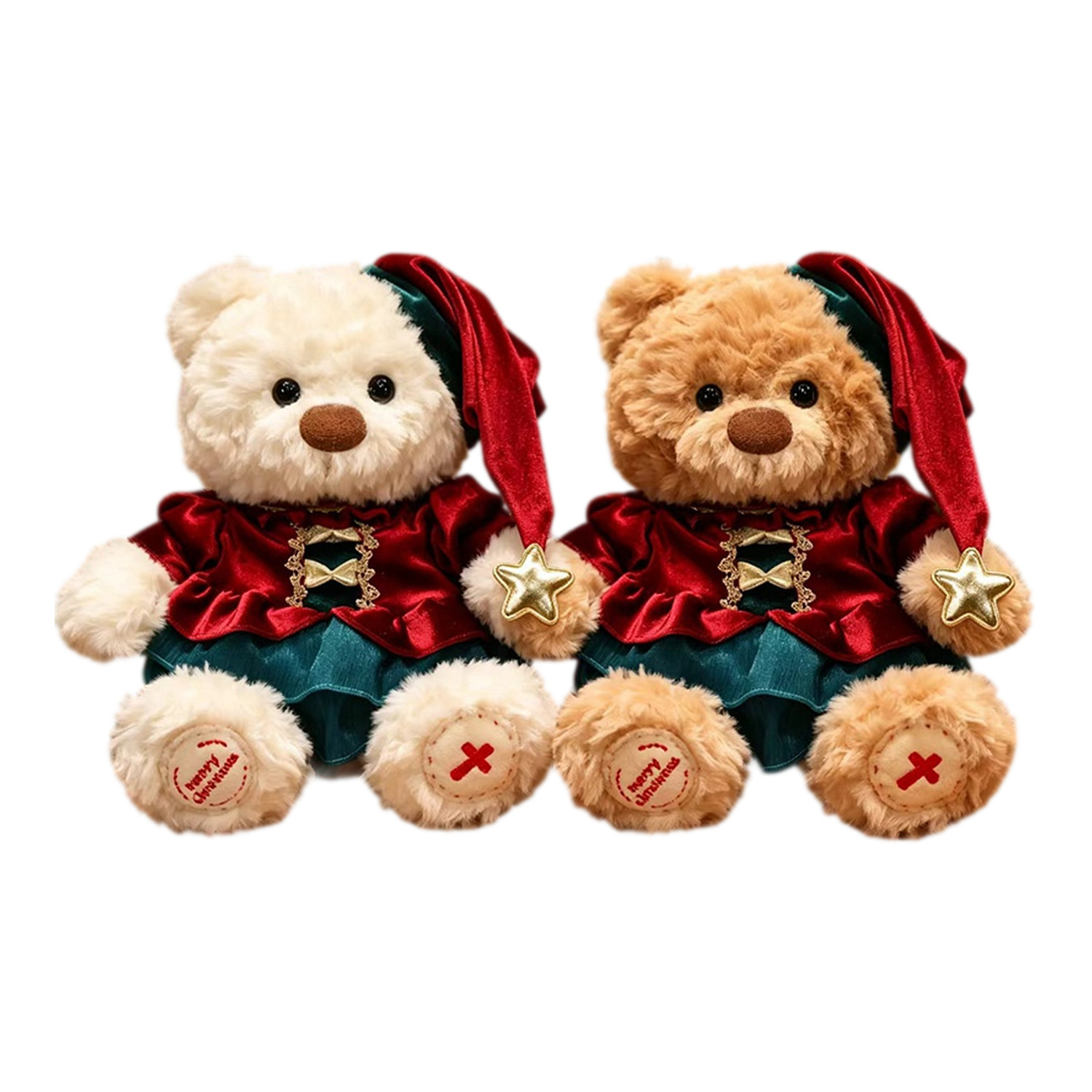
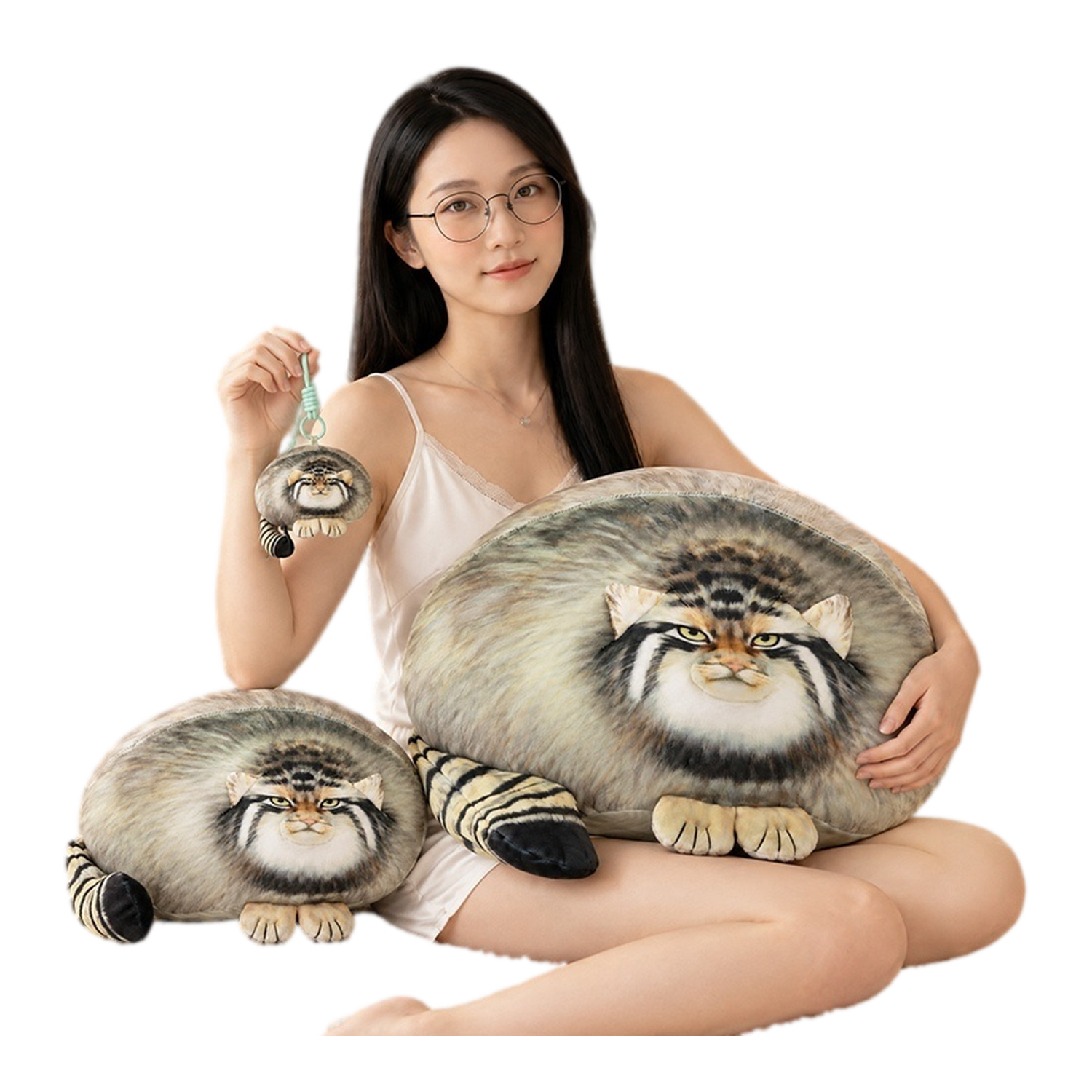
The generic teddy still sells, but the growth is in animals that read as a specific animal. Airbrushing, the hand-applied shading over a base pile, is what creates the depth in a realistic fox, snow leopard or Pallas's cat, and it is the most visible upgrade a plush range can make in a photograph. It is also the least forgiving to specify carelessly.
Airbrushing is a manual step, so it adds both cost and variance between pieces, and it has to be inspected in daylight rather than under factory lighting. Buyers who plan for it get a premium line that is hard for a discount competitor to copy; buyers who treat it as a cheap add-on get patchy shading and a colour complaint three weeks after arrival. When you brief a supplier, ask how many spray passes each piece gets and whether the pattern is held by a template. The realistic long-pile version of the same idea is where most of the differentiation now sits.
Small Format and Blind Boxes Carry the Impulse Sale
Compact plush does work a large figure cannot: it fits a counter display, it prices as an add-on, and it survives a shelf that is already full. The blind box format pushes this further by turning a low-value item into a repeat purchase, but it only works when the case assortment is disciplined — a box that yields duplicates too often kills the second sale, and the fix is planning the ratio before the artwork rather than after the mould.
Small format also solves a freight problem. Mixed cartons of keyrings, palm-size animals and mini figures ship economically and let a small retailer test the category without committing to a full case of one design. Keep the pouch or capsule inside the same certification scope as the toy itself; packaging that falls outside the scope is the most common reason a compact line stalls at customs. See how the format sits alongside the rest in our festival and everyday plush range.
Original Characters Beat Licensed Lookalikes
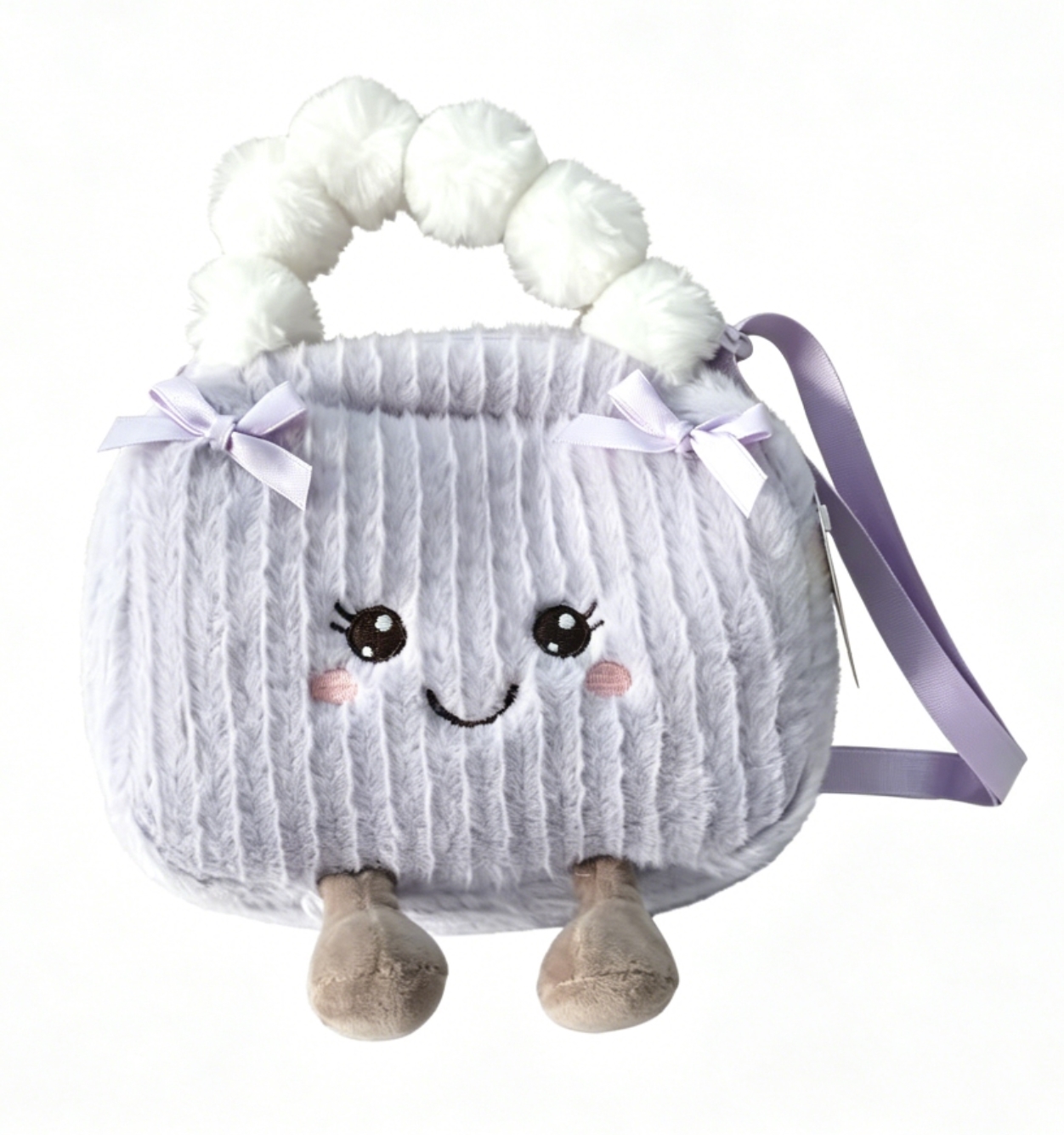
Licensing is not a trend a wholesale buyer can improvise. A plush that resembles a protected character without a licence is a customs risk, a marketplace delisting risk and a reputational risk, and enforcement at European and US borders has become routine rather than occasional. The commercial answer is an original character with a consistent identity: a name, a fixed palette, a short backstory on the hangtag, and a design file the factory keeps from season to season.
An original character extends across formats, from keyring to cushion to slipper, without a royalty, and it is defensible when a competitor copies the silhouette. This is also where private label pays for itself, because a retailer's own mascot developed from a sketch becomes a range instead of a one-off order. The manufacturer selection checklist covers what to ask about design ownership before you commission the first sample.
Building a 2026 Range That Repeats
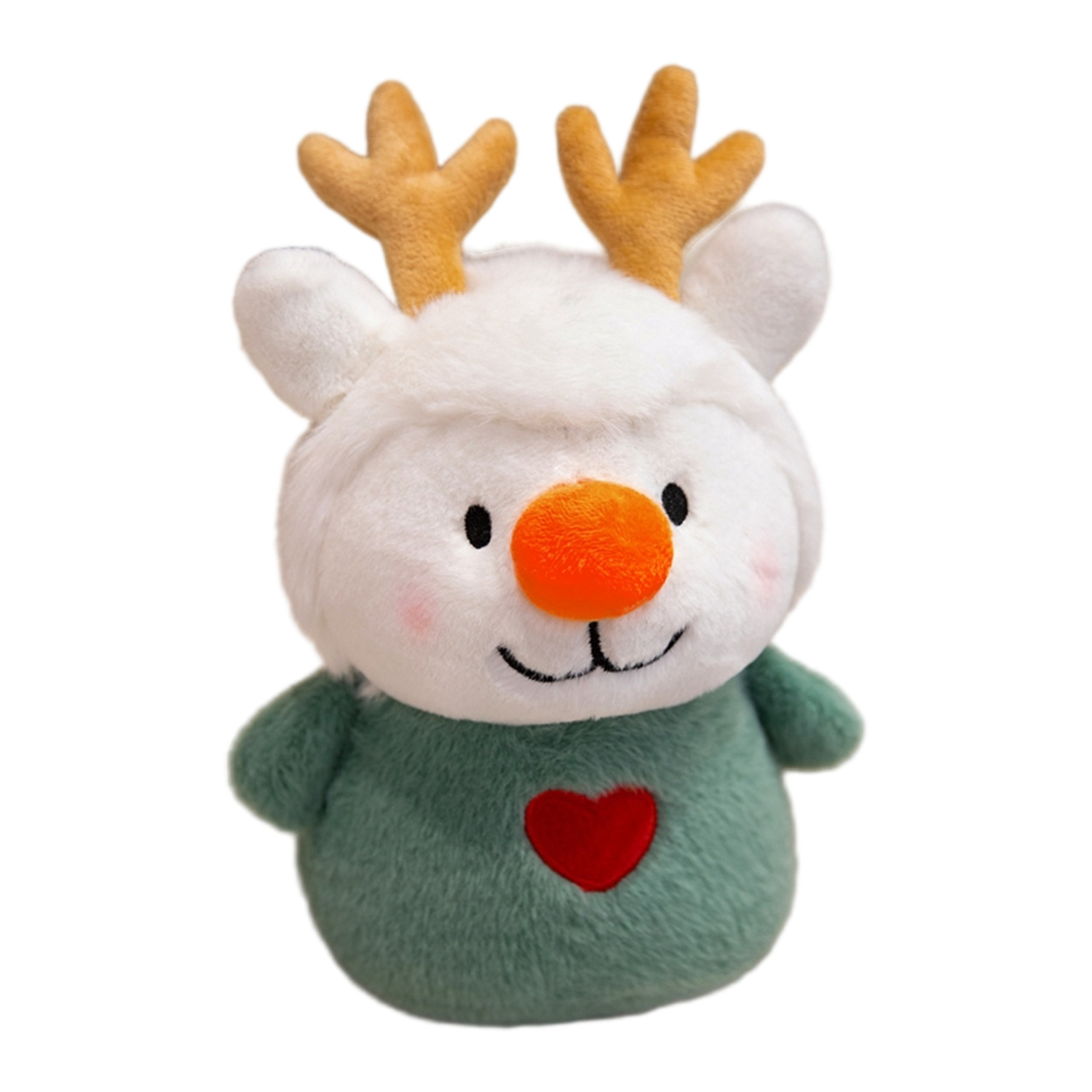
Put the six shifts together and a range has a shape: one functional anchor, two realistic animals, a compact impulse line, a seasonal capsule and one original character to grow. That is a lot of development for one season, which is why timing has to be planned backwards from the shelf date rather than forwards from the enquiry. Our standard MOQ is 500 pieces per style, and a run of 20 samples takes about 15 days including PVC mould making, so a Christmas programme has to be locked well before the summer; the holiday planning timeline sets out the reverse schedule we work to.
Repeatability is the other half of the story. A snowman that sells out this December becomes a faster, cheaper reorder only if the pattern, embroidery files and fabric references are kept, and a supplier who treats each season as a one-off project quietly costs you that head start. Read the assortment guide for how the types fit together, then look at the Christmas plush range and the graduation plush bears for finished programmes. The full article library carries the rest of the cluster, and you can read how we work with wholesale buyers on range planning.
Related reading
- EN71 vs ASTM F963: A Compliance Comparison for Plush Toy Buyers
- From Brief to Bulk: The Custom Plush Toy Process, Step by Step
- Bulk Plush Toy Shipping: A Buyer's Guide to Freight, Cartons and Landed Cost
- Plush Toy Packaging: A Buyer's Guide to Retail-Ready Bags, Hangtags and Cartons
Keep exploring: Easter plush toys, festival plush toys, or browse the full article library.