

Plush toy care is the part of the category nobody plans for and everybody pays for. A plush toy that arrives in perfect condition can still be returned because it was washed wrong, dried wrong, or stored in a stockroom that flattened its pile. For a wholesale buyer the subject matters twice: once for the care instructions that travel with your product, and once for the way your own stock is handled between receiving and the shop floor. This guide covers both.
Why Care Instructions Belong on the Product, Not in the Inbox
The cheapest after-sales service is a care label the customer can read at the till. Sewn-in or printed care instructions reduce returns, protect you in disputes, and signal that the supplier thinks beyond the shipment. At minimum a plush care label should state: surface wash only or machine washable, maximum water temperature, whether the toy can be tumble dried, and a warning against bleach and high-heat ironing. Toys marketed to children should also carry the age grading next to the care information, because both are compliance statements. If your supplier does not offer a care label service, ask for the fabric and filling specification and write the label yourself — the fabric and filling guide explains what the specification should contain.
Surface Cleaning: The Default for Plush
Surface cleaning is the safe answer for most plush, and it is what a care label should recommend first. A damp cloth with mild detergent, worked in the direction of the pile, removes the surface soil that causes most complaints. Stubborn marks respond to a soft brush and patience rather than to stronger chemistry; aggressive stain removers strip dyed pile and leave a lighter patch that no amount of brushing evens out.
The exceptions worth knowing: embroidered features survive gentle cleaning better than printed ones, and printed panels can bleed — test any liquid on a hidden seam first. Long-pile fabrics trap dust at the base of the pile where a cloth will not reach; a wide-tooth comb or a soft brush used lightly restores the pile after cleaning. Our guide to building a plush assortment shows which product types carry which fabric, so your care instructions can follow the construction rather than the category.
Machine Washing: What Actually Survives It
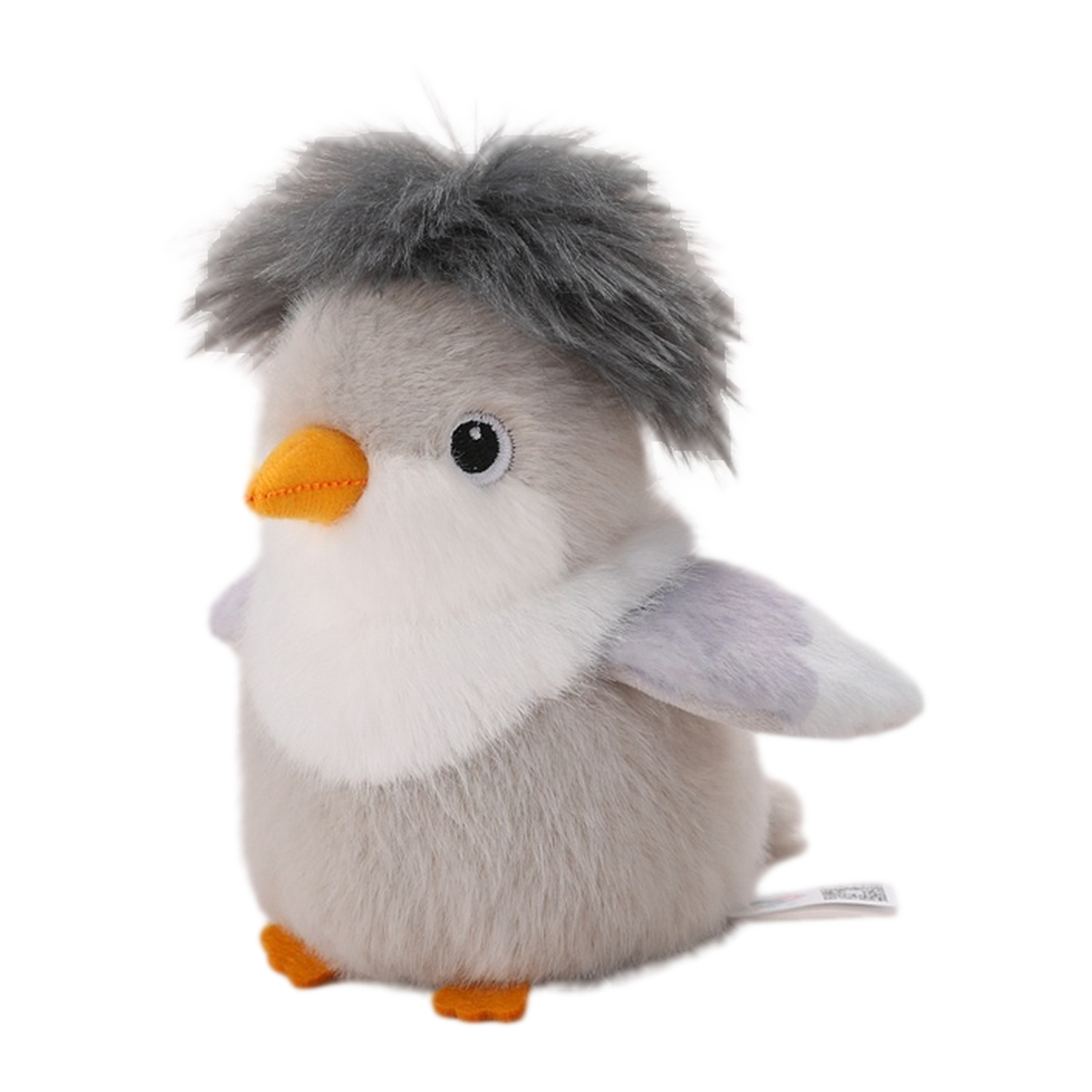
Some plush tolerates machine washing and some is destroyed by it, and the difference is construction, not sentiment. Toys with stuffed heads, attached plastic eyes, glued trim, sound boxes or weighted bottoms should never go in a drum. Simple fully-stitched plush without hard components — the kind sold as baby companions — can usually be washed in a mesh bag on a gentle cycle at low temperature, provided the filling is polyester fibre rather than foam or natural material that clumps.
Two habits prevent most washing damage. First, close any velcro and zip the toy into a laundry bag so trim cannot snag. Second, wash similar colours together on the shortest effective cycle, because plush dye lots vary more than woven textiles. If you are writing care copy for your own range, be conservative: a label that says "surface wash only" on a toy that would survive one gentle cycle disappoints nobody, while the reverse disappoints somebody every week.
Drying and Filling Recovery
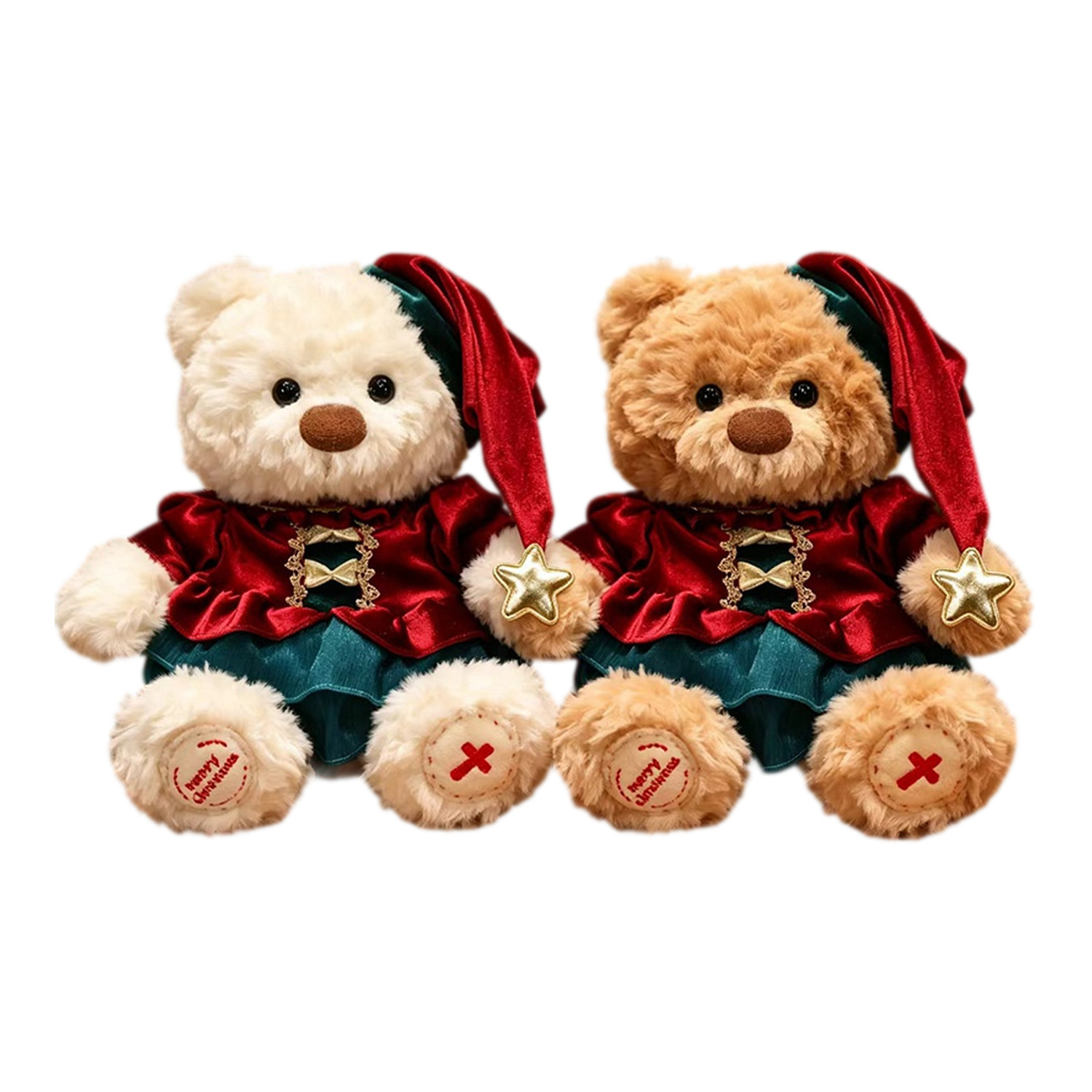
More plush is ruined in drying than in washing. Tumble drying at high temperature shrinks pile backing, melts synthetic fibres near trim and drives filling into clumps that no later brushing repairs. Air drying in a ventilated space, away from direct sun that fades dyed pile, is the safe default; turn the toy once so the underside dries at the same rate. Thicker toys and pillows need longer than buyers expect, and sealing a damp toy into packaging is how mildew smells are born.
While the toy is still damp, working the filling apart by hand restores its shape; once dry, a short session of shaking and patting brings back the silhouette. Large cushions and pillows benefit from a final pass with a soft brush to lift the pile direction. If the filling has clumped permanently, the toy has usually been washed at too high a temperature or spun too hard — which is why the care label, again, is the cheapest insurance. The safety standards guide explains why needle detection and filling cleanliness belong in production, and the same hygiene logic applies to how a toy is cleaned afterwards.
Warehouse and Stockroom Storage
Storage damage is invisible until the goods reach the shelf. Pile flattened by tight stacking recovers partially, but creases across printed or embroidered panels do not. Cartons stored directly on concrete floors wick moisture in humid seasons; cartons stored against outside walls collect condensation. The practical rules are simple: keep cartons off the floor and away from exterior walls, rotate stock so older cartons ship first, and avoid leaving seasonal plush sealed in its shipping carton through a full summer, when a cool dry store beats a hot one.
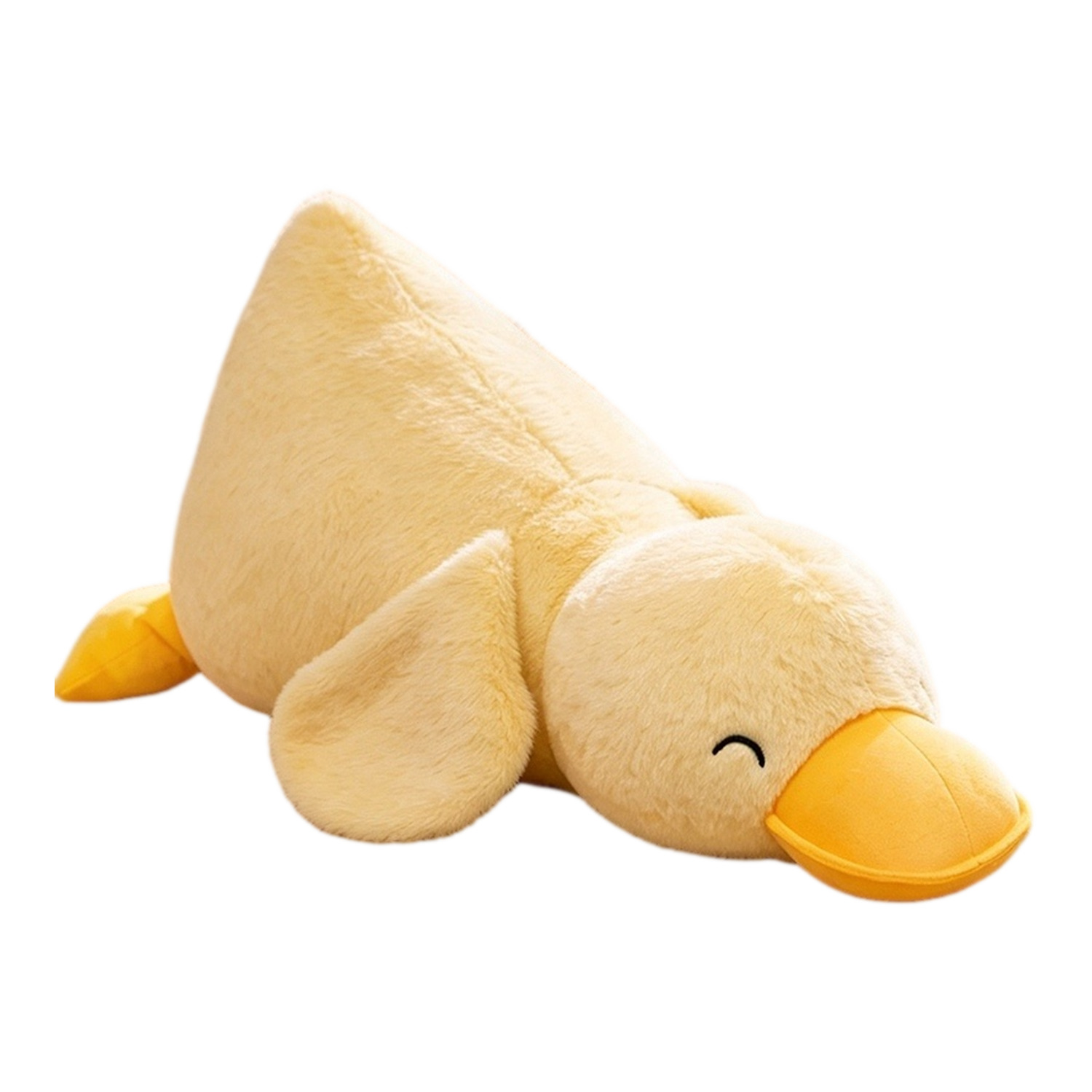
Hanging storage suits long-pile and large-format plush, and it doubles as a display trick: a plush range that is fluffed, faced and evenly lit sells differently from the same range straight out of a carton. For seasonal programs, order timing matters as much as storage; our holiday planning timeline shows how to schedule arrivals so stock does not sit through a season it was not bought for.
A Care Sheet You Can Reuse
A one-page care sheet travels well: it goes into the carton, the retail pack and the customer-service inbox. The core lines are always the same — clean spills promptly with a damp cloth and mild detergent; do not bleach; do not tumble dry at high heat; air dry away from direct sunlight; brush long pile gently after drying; store in a cool dry place. Translate it once for each market you sell in, and keep the wording identical across your range so staff can answer questions without checking.
Final Word
Plush toy care is not a service cost; it is part of the product. A range that ships with sensible care instructions and arrives from a store that stores it well generates fewer returns and better reviews than a better-designed range handled carelessly. To see how care requirements differ across product types, browse our pet plush toys and our seasonal plush collection, or read the fabric and filling guide for the material details behind the instructions. Visit the full article library or learn more about how we work with wholesale buyers.
Related reading
- From Brief to Bulk: The Custom Plush Toy Process, Step by Step
- Bulk Plush Toy Shipping: A Buyer's Guide to Freight, Cartons and Landed Cost
- Plush Toy Packaging: A Buyer's Guide to Retail-Ready Bags, Hangtags and Cartons
- Plush Toy Trends 2026: A Wholesale Buyer's Guide to What Sells
Keep exploring: plush pillows and home range, pet plush toys, or browse the full article library.